Usually Funny; Rarely Fun

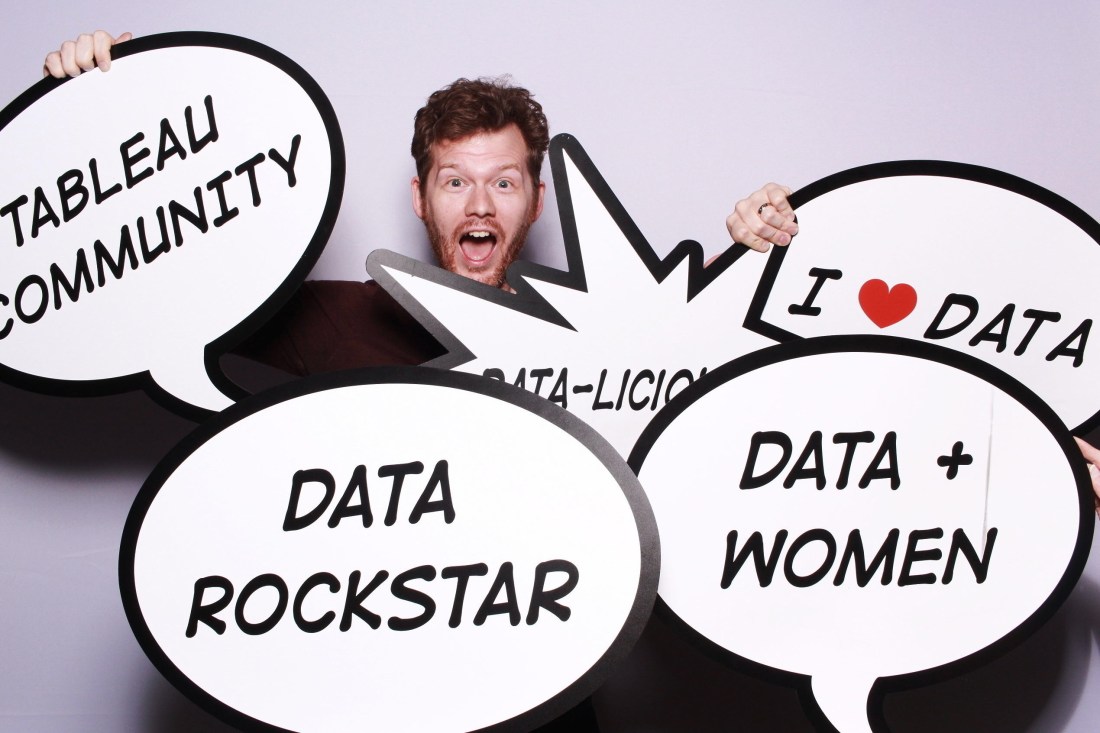
IMG_2609 2.JPG

One of my college roommates over a summer once claimed that I was the funniest person he’d ever met.”

Without missing a beat, I quipped back: “You should try meeting more people.” 

And he laughed, again.

I’m not that funny.

I’ve just learned to fine tune humor as a coping mechanism to overcome social tension and stress. 

Isn’t that why everyone does it? Like, if I were on stage all of a sudden at a comedy club, I’d start telling jokes too to ease that awkward tension.

The problem though, is that some people think I’m fun. 

The Life Autistic is a weird amalgam of people perceiving your actions as your attributes, for better or for worse:

“Oh, you use big words – you must be an intelligent showoff.”

“Oh, you remember a lot of details, you must be incredibly smart.”

“Oh, you’re kind of blunt – you must be a mean, critical person.”

“Oh, you have a knack for making people laugh — you must be a fun guy to be around.”

Some of that could be true?

But you’ll find me out pretty quick, even through the jokes — Hunter is usually funny, but rarely fun.

I’m not the life of any party. I’m the last with any good suggestions for a night out, unless it’s “out cold and asleep.” Even on my bravest days I’ll suggest activities, trips, events, all while just taking it in a moment at a time, kinda quiet, hoping that others will bring the energy.

And many of us can be that way too.

Fun is a state of being and manner of expression; funny is a plotted thing, built on experience, tropes, observations, deployments of things we know a normal human would find funny after years of study.

Funny how that works.

Ugly Ducklings, Lonely Swans, and Why Autism Makes Our Difference Difficult

IMG_7292.jpg

We saw this swan by a fountain in Versailles.

Three thoughts came to mind:

1: “I should get a picture.”

2: “I shouldn’t get that close, because I remember reading about some rowing team in Ireland who completely aborted their run because of a swan – apparently they’re no joke.”

3: “It’s been too long since I’ve watched Hot Fuzz, and I’m overdue.”

A fourth thought came looking at this picture:

“What was The Ugly Duckling really about?”

I read a summary of the tale today and found this a relatable angle:

The ugly duckling, now having fully grown and matured, is unable to endure a life of solitude and hardship any more and decides to throw himself at the flock of swans deciding that it is better to be killed by such beautiful birds than to live a life of ugliness and misery.

Not many of us grow up fully knowing that 1) why we’re different, and 2) we’re autistic.

I remember weeping out of frustration in my younger days and wishing the most bizarre of things: to be normal. I couldn’t define why I was different; I only began to realize that I was — long after I felt it. The teasing, the slip ups, the profound loneliness and helplessness of not being able to connect to or with others.

Only recently do more kids and people get an idea early on about their difference being defined. But it can beg a sobering question:

If I’m different from ‘normal’ people, who am I not different from?

If I’m never going to be a duck, then where are the swans?

Thanks to the great and perilous internet, we’re finding each other, these pockets of tribes, the others out there who have long been the others of everyone else. Still:

There’s a human need for connection, but our most similar connections are among those who can find it hard to connect.

Almost like the swans in Andersen’s tale, we’ll be welcoming even if we’re awkward together; it’s not like everyone on the spectrum has some secret wavelength that allows us to be more at ease with each other.

In fact, sometimes it’s trickier — I’ve spent so much time adapting to neurotypical people that I almost have to think harder to adjust and be mindful when I’m interacting with others on the spectrum, as odd as that sounds.

So with swans, ducks, birds of every feather, we still often struggle as the odd, lonely birds, no matter which flock.

Executive Function – autism’s hidden struggle

Screen Shot 2019-09-11 at 12.12.29 PM.pngKnow that phrase “can’t walk and chew gum at the same time?” Welcome to the kind of autistic struggles we often don’t know we have.

My wife and I were walking, and I was navigating to a metro station while lugging a suitcase. She asked if I could look up whether a nearby bakery was closed. And I couldn’t.

“I can’t. I just . . . I just can’t. I’m pulling a heavy suitcase and trying to navigate, and I just . . . can’t look that up unless I stop — “

My poor wife. She puts up with a lot from me, with a lot of the autistic hurdles that I can’t always leap over. One of which is executive function.

I’m a different category of weird because I can and do articulate some of my autistic challenges, which not everyone on the spectrum can or will do. And not everyone faces the same struggles at similar levels.

For me, I can really struggle with executive function on task attention.

And it’s in silly, innocuous ways.

Sometimes it’s seamless: much to the annoyance of many others, I can easily be on my phone, process information, engage in conversation.

But if I’m carrying groceries while on a call, and for some reason I need to tack on an item like bringing in the paper, even if on the way — I just can’t suspend one of the tasks until one is done. I can’t really explain it, but my mind walls off my focus to ensure I finish what I’ve started before moving to something – even if urgent.

Just the other day, Mo asked if she could have a drink. And I did my best to reason with her.

“Honey, I have to finish emptying the dishwasher and put the dishes away so I can then empty the sink and load them into a clear dishwasher, at which point I’ll have an empty sink where I can get the pitcher out, stir up tea, get your clean cup, ice, and give it to you.”

It’s never easy.

My wife summed it to my 4-year-old best: “Daddy has trouble stopping what he’s doing to do something else, ok?”

So what helps?

— Knowing that we often approach tasks as 0 to 100% with little in-between

— Asking about our “availability” before asking for a favor or task

— Break things down into concrete sequences

— Take things off the plate before putting things on