It Must Be Done: What Autistic Routine Devotion Feels Like

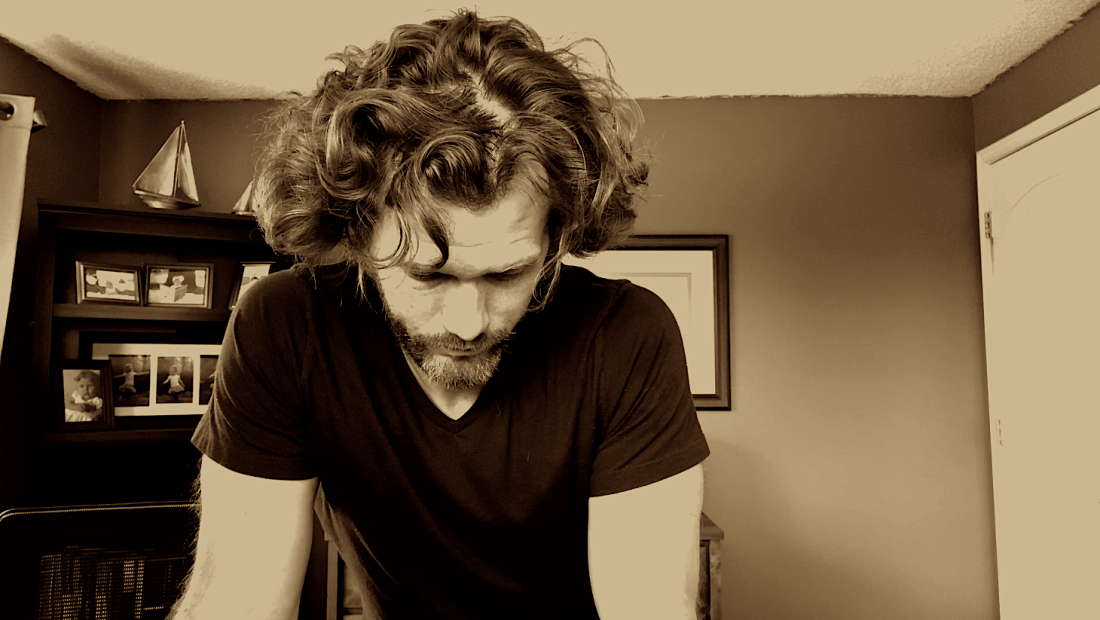
IMG_5099.JPG

“Hunter, do you HAVE to do this right now?”

The answer is alwaysYes. Yes I do.”

This past weekend, I envisioned three goals:

  1. shave
  2. edit
  3. vacuum

That’s it. Modest items.

By the way: the second (edit) was a worthwhile, more involved effort, which I hope you’ll enjoy on The Life Autistic on YouTube. New vid this Wednesday, and you’ll see why editing made the top three.

But the first two (shave, vacuum) — they’re just such small, inconsequential things, right?

Not to me.

Autistically-influenced goals aren’t just “oh this would be nice to—”

No.

Imagine a hawk landing on your nest of a hairstyle, weighty and cumbersome, digging its talons into your skull. 

In those claws go, soon entrenched in the folds of your brain, clouding your vision, narrowing your peripheral vision. You don’t feel the pain; only the purpose.

Your heart beats, each moment pulses with a dread – you feel those delicate fibers of time slipping loose as they skip along. You’re no longer making the moment count; you’re counting the moments that you can steal away to do what your mind and soul have now become fixed to do.

If it’s not done — you tense, you feel those talons plunging in, and then the pain intensifies — you want the bird to release its grip, to let go, let you swivel your head unburdened.

But it won’t. Not until you’re done.

So that’s why I’ve a baby strapped to my chest while whipping a vacuum around my office.

The vacuuming had to be done.

Yes, JoJo was cranky. Yes, she needed attention.

BUT I HAD TO GET THE VACUUMING DONE.

HAD TO. 

I didn’t ask for the life autistic. I’d have enjoyed being dealt the kind of neurotypical attributes of indolence, “not caring,” flexibility, letting things go, carefree attitudes, etc.

So the next time you catch some autistic person who just can’t “pull away,” or “set something down,” or “switch gears” — imagine the hawk atop our head.

Interestingly enough, even this blog is a fixation of mine – if I don’t write, I get too stressed to function. Appreciate you reading; it helps! To learn more about autism from an autistic person’s perspective, follow & subscribe to The Life Autistic here and on YouTube — or follow the more whimsical, spontaneous, and amusing content on Twitter / Instagram. Thanks!
Autism Stories from Autistic People – Why It’s Worth the Exhaustion

Screen Shot 2020-08-13 at 6.28.14 AM.png

The first things that come up for me when I start typing in “autism stories” to search

  1. autism stories of hope
  2. autism stories from parents

Both are well and good, but we need more autism stories from autistic people.

To that end, I’ve opened up shop on YouTube and launched my first video, where I cover why it’s critical for us to share more from our unique autistic perspectives. I’d love you welcome you as a subscriber there!

That said, I can see why autistic storytelling is in shorter supply.

IT IS EXHAUSTING. 

I think I left that above frame in the video, and I didn’t act that one out. I was spent after sitting in front of a camera for 7 to 9 whole minutes, framing what I wanted to say, and front-loading my most expressive self.

IT IS NOT EASY.

So not only am I “keeping my jets on” for camera, I’m contending with those obsessive, OCD-style things that threaten to disappoint and dissuade me from just opting out of this mess altogether.

Did you notice:

  1. I have a loose hair clinging to my goatee, and I noticed it all too late after I was halfway into editing
  2. I said I cried during all three Toy Story films. There are four. (Thanks a lot, Zach Bowders).
  3. The audio that jumps too high when I read off the numbers to the “five things”
  4. At least three cuts that were a millisecond too quick
  5. How I started reaching for my glasses too early to stage the “expert” scenes

It’s normal to pick at your own imperfections, but when you’re both autistic and hyper-self-aware-critical, it’s enough to keep your story from coming out. And then all the “pre-staging” I’m doing to prep for people who don’t like this content or getting my first thumbs down – it’s like I have to check my anxiety cloak at a door that I keep entering and exiting.

IT IS A LOT.

But it’s necessary.

I’ve been super grateful for the kind words and the feedback and the people who think I’m good at editing (thanks 😛 ). And because it’s worth mentioning, I’ve spent years in front of a camera for virtual work meetings, so it’s something I’ve acclimated to. It still gets to be a bit much, but I can do it a little justice in short bursts.

So what now?

If you’re an ally for autistic causes, support your autistic storytellers. I know it’s hard not to share your proximity and your involvement as a parent or significant relation to an autistic loved one, but their voice matters. 

If you’re autistic, share your story. You deserve to. The platform should be yours, ours. 

It’s exhausting effort, but it’s worthwhile. And I’m going to continue doing so here, in writing (my first love and best skill) and on video.

I hope you’ll do and support the same!

I am glad you’re reading this blog! This is my “easy” medium, and it’s nice to use one of my few skills to do good. Video is my “hard” medium, but I’m giving it an earnest go. To learn more about autism from an autistic person’s perspective, follow & subscribe to The Life Autistic here and on YouTube — or follow the more whimsical, spontaneous, and amusing content on Twitter / Instagram. Thanks!


Dealing with Loss: Autistic Reflections on Bereavement

GMA.png

We had come back from visiting my grandparents, and I recall a phone call we had maybe a week later. I was seven years old.

Know how your parents would come ask you to “say hi” to whichever relative they had on the phone, as if you were able to have a cogent conversation with an adult? It was awkward. And because this was me, it was more awkward.

My grandparents said they missed me.

Me, being autistic me, related the best way I could.

“I remember you, but I don’t miss you.”

They kinda laughed, and I recall my parents saying, as if to emphasize for some punitive record, “Well, he remembers you.” They didn’t take me to task for that one, though I’m sure they considered calling an adoption agency or an extraterrestrial child rehoming service.

As of last week, both of my grandparents are now gone.

My grandpa died nearly 20 years ago, pretty much going to bed one night and not waking up the next. He was as sharp and clever, never having declined. Here one moment, and gone the next.

While I was shocked by the news, there just wasn’t that emotional crater I’d expected. With my grandparents living out of state, my day-to-day wasn’t as affected.

My grandma lived on for another two decades, albeit less and less so as the years passed. Until last week.

Having grown up on and around military bases and personnel, I wasn’t really accustomed to seeing people gradually decline in age, body, and mind. My most impactful memory was grandpa just *being gone* without cresting down a hill.

Seeing Grandma slide — and then hurtle — down that hill over the past 10+ years: it was a different experience altogether. One’s exit from life is not always endowed with swift, graceful passage.

When I read that Grandma died, I texted my mom back, went to work, and mostly trucked through my day.

There just wasn’t much of a reaction. That’s not because I’m autistically soulless and callous — anything but. We are creatures of routine, and we process things — even major things — through an architecture of our day-to-day. I was fortunate to have amazing grandparents, just not so much to where they were part of my day-to-day.

It’s sad that we suffer in many facets from this “difference in expectation,” but I hope to shed some light here: we are not going to react in the same emotional register as you will.

Grandma had been, in a way, long gone already.

In talking with my folks this weekend, I shared that the Grandma I knew — the one that went on LEGO shopping trips, baked English Muffin bread, took me suit shopping, taught me how to drive, and made for interesting dinnertime company  had passed long ago, and I’d made that peace and processed it already.

As I reflect, I think of my quote from earlier. I’d amend it for today.

“I remember you, and I do miss you, Grandma. I miss who you were. This is something I process differently than others do. I hope you understand. I’ll always remember you.”

This was a more personal reflection here; I would hope that it helps lend some grace and insight into how autistic people cope with loss and bereavement very differently than you may expect. To learn more about autism from an autistic person’s perspective, follow & subscribe to The Life Autistic here and on YouTube — or follow the more whimsical, spontaneous, and amusing content on Twitter / Instagram. Thanks.