The Life Autistic: Things You Need to Know About MELTDOWNS

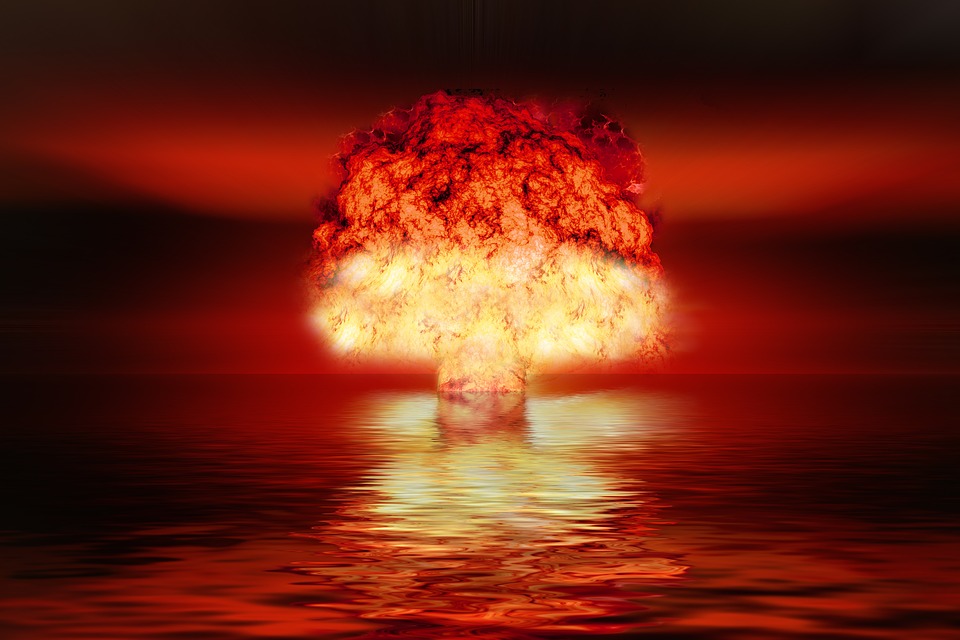
atomic-bomb-2621291_960_720.jpgPictured: Me, after more than an hour of forced socializing in cramped quarters

Meltdowns are not tantrums.

Remember that phrase. Recollect this comparison. Recall the equation.

Meltdowns are not tantrums.

“Wait a minute, H2, I thought we were getting some quirky, offbeat story about you like usual, like how you broke down after your parents moved away while you were at summer camp?”

You’ll get that story.

But this is important. Your autistic kids need to be spared the ignominy of misunderstanding. Your autistic acquaintances want you to know the difference.

Tantrums are an explosive reaction, an output to an unfulfilled input. 

When I was younger, I remember finally getting the chance to go out for Indian food in Reykjavik, something I’d been looking forward to for years. That was the plan.

Until, due to whatever-the-heck-probably-something-stupid, it wasn’t. We ended up going for McDonald’s at the Kringlan, where I sulked, whined, and griped all the way through a meal that topped the Big Mac Index (no lie!)

I didn’t get what I wanted, and I pitched a fit. That’s a tantrum.

Meltdowns are either explosive or implosive, a response to overstimulation that defies consolation. 

For starters, I’m going to shout-out to all the parents who have kids who melt down.

These are hard. 

They’re stressful, embarrassing, and the stares you can feel from behind your back — I’ve only small words of comfort that I hope will apply:

This too shall pass.

But let me share what it passes on to.

After my promotion to “Big Boy Manager Job” at Apple, I joined the other organizational leaders in the group for a summit out in California. First time traveling. First time seeing so many of my extended peers at once. 

On the third night, we all went out bowling. It was a blast, we had fun, other people had drinks, and I pulled out all the stops to be just as social and cool as everyone else.

But after about an hour, I ran out of gas. Folded. Catatonic. Zombified. Shot. I just . . . couldn’t anything anymore. People are exhausting. Firing on all cylinders just to keep up with the malaise, cacophony, I could only maintain for so long. I don’t see how you neurotypicals do it, all told.

I melted down to a sedate, sullied, burnt husk of a man, utterly spent, like a robot who’d lost its charge.

As I sat in the chairs at the bowling alley, pitcher of water all to myself, sipping away aimlessly, a Senior Manager caught my thousand-yard stare and cocked her head.

“You OK?”

“Yeah yeah,” I nodded.

See, I’ve learned a bit about meltdowns. They’re far less violent now. The fuse is longer. The combustion is more of a slow burn, cratering in the chaos. Not a bang, but a whimper.

I’ve outgrown the explosions, but I’ll never escape the meltdowns.

The Life Autistic: What’s with the Accent?

Accent.jpg

Since you’re here, you should check out the video I did on this topic! Come learn more on The Life Autistic here and on YouTube — and follow the more whimsical, spontaneous, and amusing content on Instagram as well.

When it comes to autism, sometimes it takes one to know one. The tells, the signs, the idiosyncrasies — our AutismRadar® is near flawless.

“Hunter, I think you need to talk to this guy,” said June*, one of the managers who reported to me. “I’m not sure what to make of him.”

“How do you mean?”

June told me more about one of her new employees, Benjamin Bennett*, who’d started going by B2. “He said he was inspired by you, H2!”

Great. 

She described some of his mannerisms, how he acted in meetings, communicated in email, and then dropped what I found to be the most interesting tidbit.

“He does these . . . accents when he talks to customers. Like, not his normal accent.”

“Ok,” I said. “I’ll talk to him.”

There were two ways that coin could flip.

Some people would smack down with a variation of “Ok, what you’re doing is weird, and you need to stop,” and just make life worse.

The other approach would be that gentle, almost meek, “So, tell me why . . .” style of discovery, unassuming, wise-as-a-serpent-but-ultimately-harmless way of getting him to fess up and explain more.

I went for a third option: make this coin stand on its edge.

Benjamin and I had a great talk a week later, discussing career progression, job skills, how he was adapting to his new team, etc.

As I relayed and related some of my experience, I casually mentioned:

“When I was on the phones, I’d even switch up my accent. Sounds weird, but sometimes it helped, if you can believe.”

100% true, folks.

And I still do it to this day.

It’s a bit of an odd habit, and sure enough, it’s something we autists share to a degree.

My phone habit? An unconscious shift to a Southern drawl, which oozed sweet tea, honey, and biscuits – all of which de-escalated my most irate callers.

And then when out and about, talking to my wife, I take on this almost Received Pronunciation British lilt, as if I have to be overheard with “more intrigue.” Too many William F. Buckley vids? I’ve no idea. Mrs. H2 isn’t ever amused.

And then there’s my lack of accent, an unplaceable affect that I take pride in maintaining. Since I’m half-robot anyway, I find it fitting.

So, what’s with the accent then?

I couldn’t tell you. Stress response? Phoneaesthetic soothing? Who knows.

Back to that talk with B2, my confession loosed a sigh of relief and exultation from him — he didn’t have to worry about being ‘weird’ or suffer the consequences of being ‘different’ in a way that few understood.

But I did.

Takes one to know one.

*not their real names

Image courtesy WikiHow

The Life Autistic: Why I Don’t Answer the Phone

Screen Shot 2018-06-13 at 9.28.57 AM.png

“I’m not too good on the phone.” — Leonard Shelby, Memento 

If I were braver and more foolish, I’d post my number here and invite you to dial me.

Go ahead.

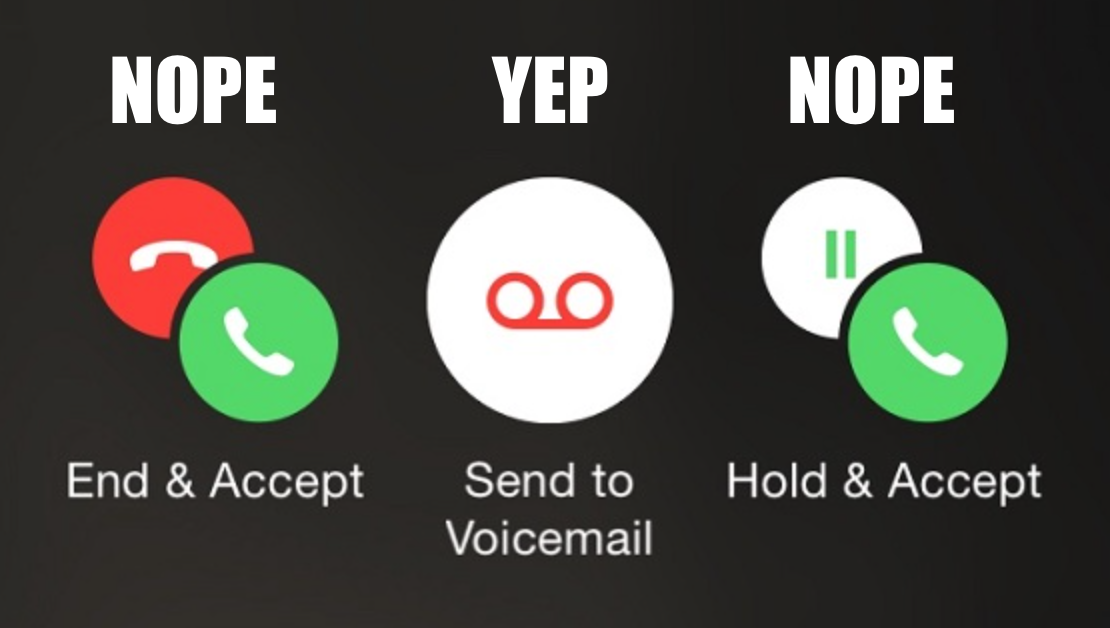
I can already tell you what’s going to happen. It’s going to voicemail, where you’ll hear my recorded snippet cut to the chase: Text me instead. 

Why?

Conversations are hard for us autistic folk.

Do I want to hear from people? Sure.

Don’t I want to talk to others for important things? Of course.

Am I just being an unreachable jerk? Hardly.

The less I can predict where a conversation could go, the more anxious I get.

Phone conversations have variables, tonal shifts, no body language, and few clear exit points. That’s just “talking” for neurotypical people.

Not for me.

I need a better idea of what I’m getting into. What the conversation’s going to be about. Time to plan. Time to think. Time to get the words in order. Space to process. Drafts to draft. Ways to frame what I want to say with a minimal risk of what I write being taken out of context.

Social navigation in The Life Autistic takes extra work. We can’t drive through all conversational turf the way you’d speed around somewhere where you’re most familiar.

So call me maybe.

I probably won’t answer.

But I’m here.

Help me draw the map of conversation and text instead.