The Life Autistic: A Walking, Talking Dictionary

Screen Shot 2018-05-14 at 3.17.29 PM.png

“He’s very well versed in the language arts, but that can make it difficult for him to be concise at times; or at the very least, it can be a bit distracting. Jokingly, I feel like I have to have a dictionary close by when he has the microphone.”

Second-hand feedback from a friend? Paid review from a life-coach? Psychological assessment?

Nope.

Ever met someone who rattles off ten-dollar words, like a prolix braggodocio overreaching to project a modicum of erudition to . . . crap, I’ve done it again, haven’t I? 

If you’ve had the misfortune of listening to me long enough, you’ll hear me drop some sesquipedalian gem, some bloated word or other arcane, esoteric phrase. But it’s not some kind of semantic showoff, I swear!

It’s the autism talking, for many reasons simple and complex.

If I had a nickel for every time I was pegged to be “trying to sound smart,” I’d have a lot of nickels.

♫ I like big words, and I cannot lie. ♫

It’s that simple. There’s no front, no show, no putting on airs to trick people into making me look intellectual.

I enjoy the variety our language provides. I’m intrigued by new ways to say old things. I’m enriched by adding different colors to the vocabulary palette. It’s like practicing something new, toying and teasing with phonaesthetics, sounding out syllables to make intricate the mundane. I talk enough as is – why not make it enjoyable (for me, anyway)?

But that’s exactly what runs me aground at times. 

When I’m afraid of being dismissed as an awkward weirdo, hey, maybe I can be the smart awkward weirdo. Or if I need to gain some comfort in a conversation, where I fear my voice won’t be heard, hey, why not speak in a way where I’m comfortable? 

It might be nice knowing at least two synonyms for “purple” or not needing a thesaurus in a pinch.

But that quote above?

It was from one of my annual reviews.

At work.

A review that, y’know, dictates promotion and pay. And word choices that always tilted toward the upsized section of the menu? That didn’t help.

Big words, bigger problems. 

I can’t always “switch off” who I am. Please, do be patient: if I didn’t care about you or your audience, I wouldn’t be speaking. Just give me a little time to work my way out of the dictionary and into the thesaurus for you.
The Life Autistic: Daughters are the Best Teachers

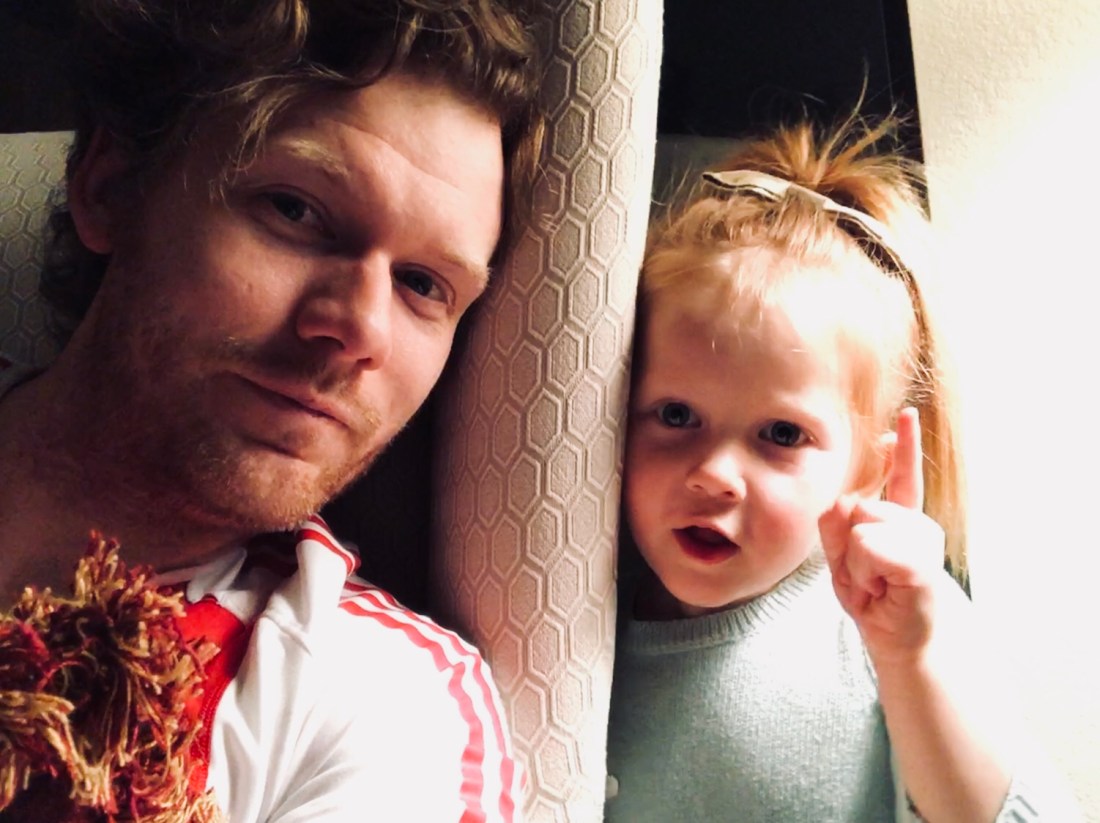
My oldest daughter, Mo, is an absolute delight and a total scamp, all bundled in a loquacious and vivacious ginger package. She has many of my best qualities (red hair, jokes, curiosity, verbosity) and few of my worst (stubbornness, cleverness).

I’ve enjoyed being a dad and a parent to Mo (and Zo, my newest daughter). Parenthood is a job all its own, where I’ve worked hard to be a loving example, fair disciplinarian, and patient teacher. But when it comes to teaching, there’s one area where I’m the student.

My daughter teaches me more than I teach her about emotional responses. 

When people talk “autism” and “parenting,” I rarely see instances where it’s the parent who’s autistic and working to manage their neurotypical kiddos. So let me share a story from that side.

My wife was distraught, openly weeping during dinner. As she poured out a little bit of her soul through tears, I was speechless. Not from shock, surprise, but just . . . not knowing what words to say. Yet without prompting, Mo reached out, resting her hand on Mom’s knee.

“Mom, is everything OK? I’m sorry.” 

Mo is two. And already she gets it at a level that I just don’t. She amazes me.

That’s just one example from the somber side. She’s dropped plenty from a happier side, whether noticing positive changes or making a timely compliment (“Mom, I like your long, pretty eyelashes.”). I’ve had to keep notes, since I need to use these gems at some point and win back a few trays worth of brownie points.

If you need an “emotion” teacher who can lead by example, doing what humans should do, responding with real people emotions: have a daughter

The Life Autistic: First Words

tattoo-credit-cards.jpg

I’m the oldest and oddest of five. But I think it took having babies #2 and #3 for my folks to realize:

“Yeah, something is up with Hunter.” 

I was an 80’s boy, pre-Internet, so it’s not as if parents were spoiled and ruined with a surfeit of information and misinformation back then.

How else would you have known if your kid was different

“Dad,” asked my youngest sib, Signy. “What was my first word?”

“Probably ma-ma,” he replied.

“What about Guðrún’s?” Older of my younger sisters. #4

“Probably ma-ma too.”

“What about Geiger’s?” Youngest brother. #3

“I’m pretty sure it was also ma-ma.

“What about Walter’s?” Younger brother. #2

“Sig, I don’t remember, but I think it was ma-ma as well.”

 “What about Hunter’s?”

Before Dad could respond, Guðrún answers with a bellow from the other room:

“THIS . . . IS . . . JEOPARDY!”

I’m reasonably sure those weren’t my first words. Maybe in my first twenty, perhaps.

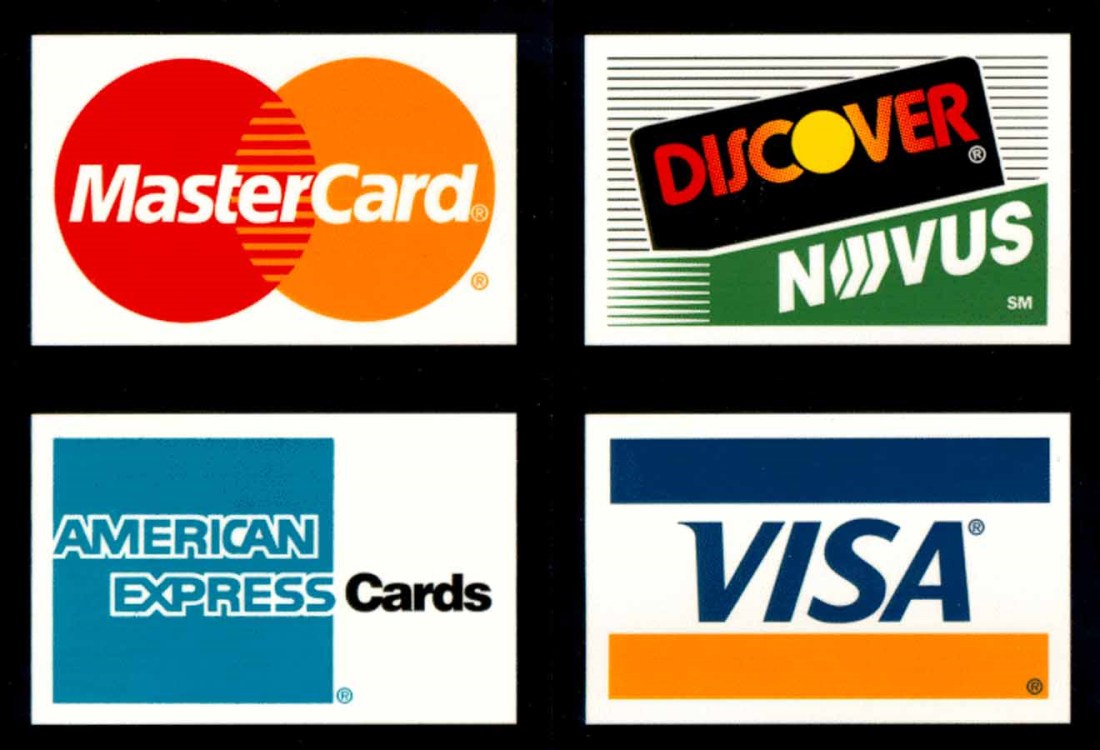
As for my real first words, it depends on who you ask. My siblings don’t recall; they weren’t born. My parents haven’t disclosed or have expunged them from  the record. And my grandmother’s answer is either “Visa” or “Isuzu.”

Yes, you’re reading that right:

My first word was either ‘Visa’ or ‘Isuzu’ – so I’ve been told.

So how early can you really tell if your child is somewhere on the fabulous autism spectrum?

I don’t have the answer here, but if baby’s first words are in between “major credit card” and “Japanese automaker,” then I might urge some extra care.

For what it’s worth, I do use a Visa, but I’ve never driven an Isuzu.

And my own daughter’s first word? Dada.