We Don’t Choose the Enthusiasms; They Choose Us

Obsessions. Fixations. Enthusiasms. 

You’ve probably heard of these or similar terms to describe our autistic characteristic in burrowing into a singular obsession or obsessions, plural. The things that go beyond interest. 

Experts on trains. Lovers of vacuums. Professors of sharks. Memorizers of countries. And that’s usually before pre-school. 

So how do we choose these obsessions?

We don’t.

I wish we could. I’d have loved to have fixated on and explored things like analysis and data science — sure would have helped me these past few years!

My earliest forays were in countries, flags, and capitals, to where I had all of them memorized – before preschool. I don’t remember much of that, but my parents, uncles, grandparents all attested to that prodigious demonstration and lamented not being able to capitalize on that fame it could have brought us. Oh well. 

But the rest spanned the practical to the bizarre: Z-Bots, LEGO bricks, Beanie Babies, camera equipment, game shows – particularly Who Wants to be a Millionaire, Dragon Ball Z, Star Wars, chess, basketball, BattleBots, ambient music, literary criticism, and watches.

That said, there’s a difference between interests and autistic enthusiasms. 

And some of those definitely intersect. For me, I enjoyed collecting LEGOs and Z-Bots – what kid didn’t? 

But for all my interest in cameras, I wasn’t drawn to photography as much as I was makers, specs, formats, cost. Same with chess, I was a terrible player, but to this day I could still name the lineage of World Champions, their playing styles, and pontificate on the historical and developmental aspects of the game.

Star Wars was an interesting one, where I cared less about Sith vs. Jedi and more about amassing intelligence on canon: naming every alien in the Mos Eisley Cantina, Jabba’s Palace, and researching the deep historical fictions behind every place, character, and prop.

It was more about the things themselves than the things themselves.

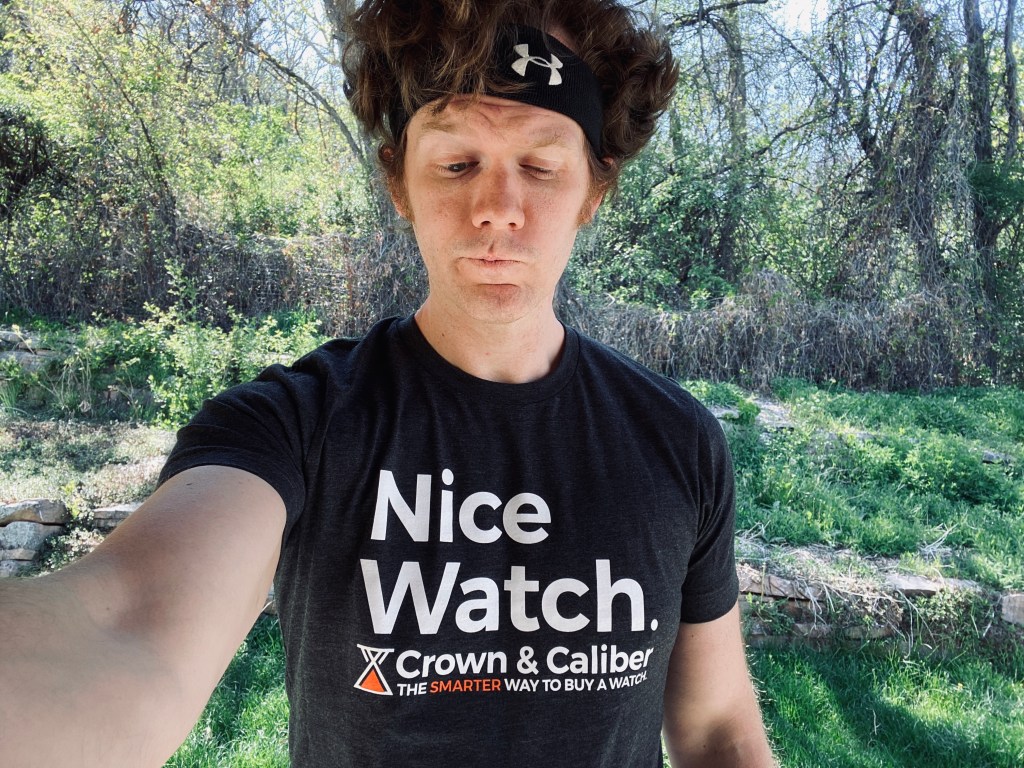
Still is, though to a lesser degree, with watches. I blame my dad and the Apple Watch for both biting me in this recent kick, where I’m apt to research and dive into the great and rich horological world within worlds.

Today, I have to hold myself back — interests are a gateway to obsessions and fixations that alter our executive function. I know my autistic self better, the perks and the perils.

In a way, it’s bittersweet: I’ve stopped downloading apps, games, and pursuing other ‘interesting’ things knowing that I could get sucked into an obsessive vortex and never emerge. I have to take great care in engaging a passion, unless it’s time-neutral and practical, like baking — I try not to dabble too much, just enough to try something out once in a great while.

If you’ve got kids with their autistic obsessions: embrace them both. Optima dies; prima fugit – the time to pursue an enthusiasm and enjoy it with childlike fervor is a fleeting thing. 


The Party Trick of Autism

IMG_6771.JPG

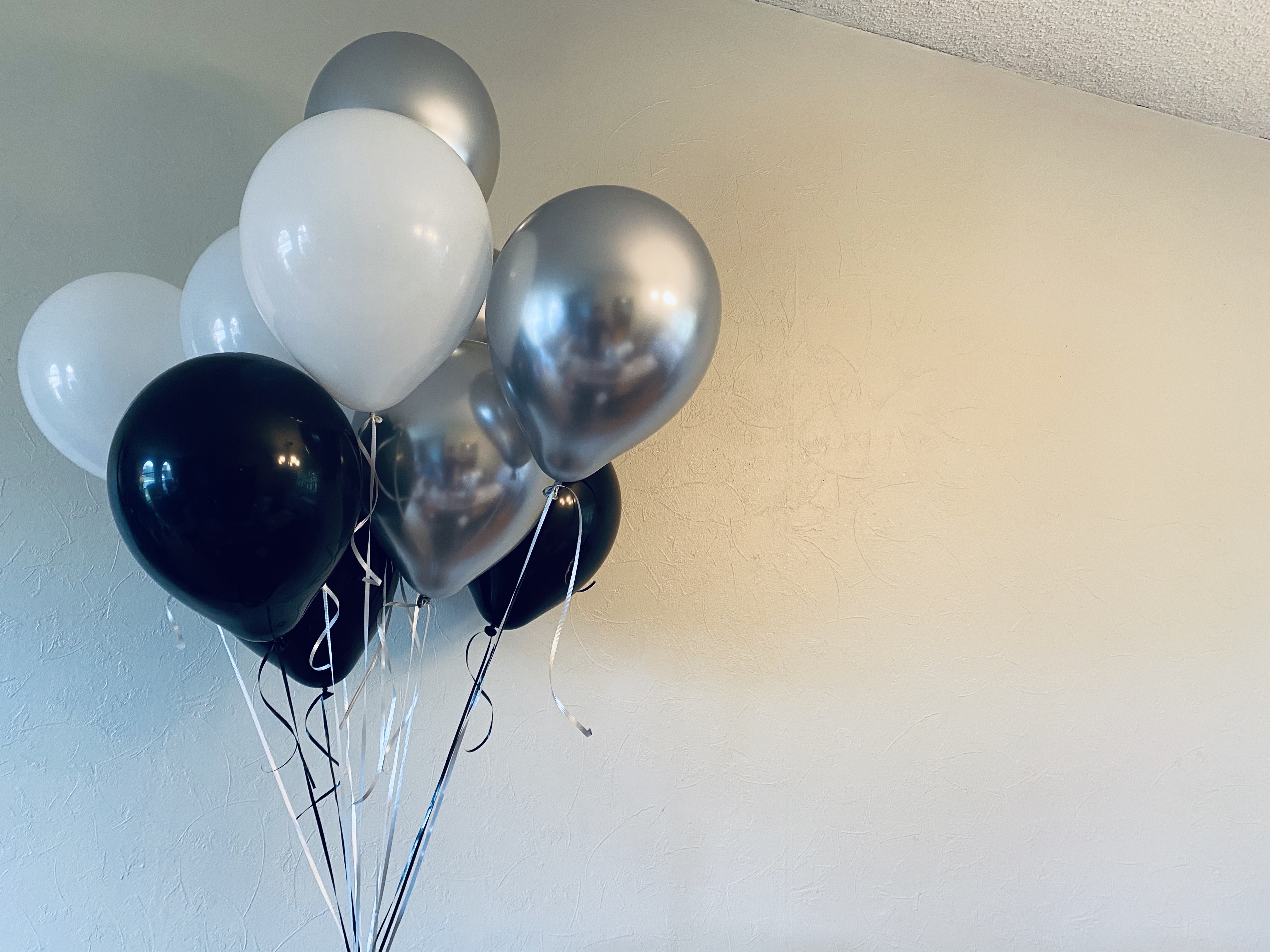
This weekend, we enjoyed a small and adorable birthday celebration for my small and adorable nephew, who turned a whopping one years old.

There was a more sour time in my life where I questioned the necessity of having parties for kids (even my own) who won’t remember birthdays before age five, but I know better  now. You can’t ruin it for kids at that age. They’ll love cake, toys, candles, whatever, and it really takes a lot of the long-term stress out. And if they don’t love it, they won’t remember. 

I don’t remember my early birthday parties. And since I stopped having them after I turned eight, that doesn’t leave a lot of them to remember.

But these days, I get to lean into my clever autistic trick to where others enjoy their parties more while I enjoy less of the party.

I’m not always social, I’m pretty low energy, I don’t add to the chaos, and I’m unusually fastidious. That’s a great combo for me, especially because no one else has it.

Because of that, my party trick is disappearing and making things vanish.

When we host, I’m cleaning. Or I’m picking up dishes as soon as people finish with them. Half the time, I’m at the sink, because I don’t want to deal with the aftermath during the aftermath.

When things go awry, or dogs go wild, or kids go nuts, my number is the first called. I’m not essential, and I’m not the life of any party. Until you need someone to put out a fire, plug a leak, or otherwise tackle a problem. Then it’s at that point my autistic social detachment becomes super-practical attachment; the party can go on while I’m off either luring wild animals or wild children away with peanut butter so a photoshoot can go off without being intruded.

Of course, I might enjoy a gathering here or there on the rare occasion I’m unencumbered with other ancillary duties.

But more often than not, I’m the heat sink, the heat check, or otherwise the Winston Wolf of the party scene — not so much to enjoy it, but to get rid of the mess and let others enjoy it better.

It could be worse.

Down, not Out: Helping Your Autistic People Back Up

IMG_6707.JPG

My youngest daughter, Zo, just turned two. Coming from a household with talkative parents and a loquacious older sister, she’s been quick to getting the hang of sentences.

One of them is my new favorite:

“I love you, dada.”

The greater surprise isn’t that she says it. It’s when. She knows and senses exactly when I need to hear it. She just blurts it outright, often with a little toddler hug. I never ask.

We autistic people can’t just “ask for help.” We’ve long since learned that nature punishes the weak, and we don’t elicit the kind of natural empathetic response from others because we’re different. 

But being creatures of machine and routine, we’re often more down than out. Though we’ll rarely ask for it, here’s how to help us up:

Be kind in response. We don’t choose to be down. We’re autistic, not emotionally masochistic. If we had a say in the degree to which things affected us or torpedoed our mood, we would avoid that, just like you.

Be patient. We’re routine driven, and bizarrely, most things clear up once we can bounce into routine. Personally, I have more bad days and very very few bad weeks. That’s not the case for all of us. There are events, times, and seasons – there are no quick fixes.

Take the straw off our back. Disappointment, depression, drawdowns: they are an additional cognitive and emotional burden. You probably can’t fix it. But you can fix other things. It won’t be quick, but it lightens the load on the road recovery. Shoot, even having my sink cleared and the table set for dinner — people doing things for me that I’d normally do — is a help while I cope.

Give space to engage and disengage. We are going to process negative emotion deeply and differently each time. Sometimes I just need to vacate my mind and not choose the words; I appreciate knowing that I am supported in disengaging. Sometimes I need to engage and untangle that ball of dour yarn. Choice is powerful in coping.

Don’t expect fixes; do accelerate healing. Some of the things that help me the most in a funk are meaningful adjustments to routine: walks to the park, dining out, low-effort little joys. But not if I have to be happy during the event or afterward. It’s like setting a bone: the break isn’t healed, but it’s in a place to heal. It will happen.

For my neurotypical audience: invisible differences, disabilities, and afflictions are hard enough on their own, and it’s hard for you to support us through them. I get that.

It might not “make sense” for us to go from incandescent one day to intractably dolorous the next. Or even hour to hour.

It’s like having a giant, decaying log of poison wood tied upon your back, sometimes suddenly: it’s heavy, and it’s toxic. While it might rot down eventually, it is dank and overbearing right this minute. 

Sometimes we need you to bear the weight for a second. Or to bear it with us. Or to tell us to hang on and stay strong while you handle the things we can’t at the moment. Or to help us find a place to set it down while we rest. Or to acknowledge that this going to be awful for a while, but that we can do other things, despite the log. Or just mention that it looks bad, and heavy, but that you’re there, and you see how much it is to carry.

Or to share a taco or two. Tacos make everything better.