The Next Step: Autism Appreciation

Screen Shot 2020-04-12 at 3.00.02 PM.png

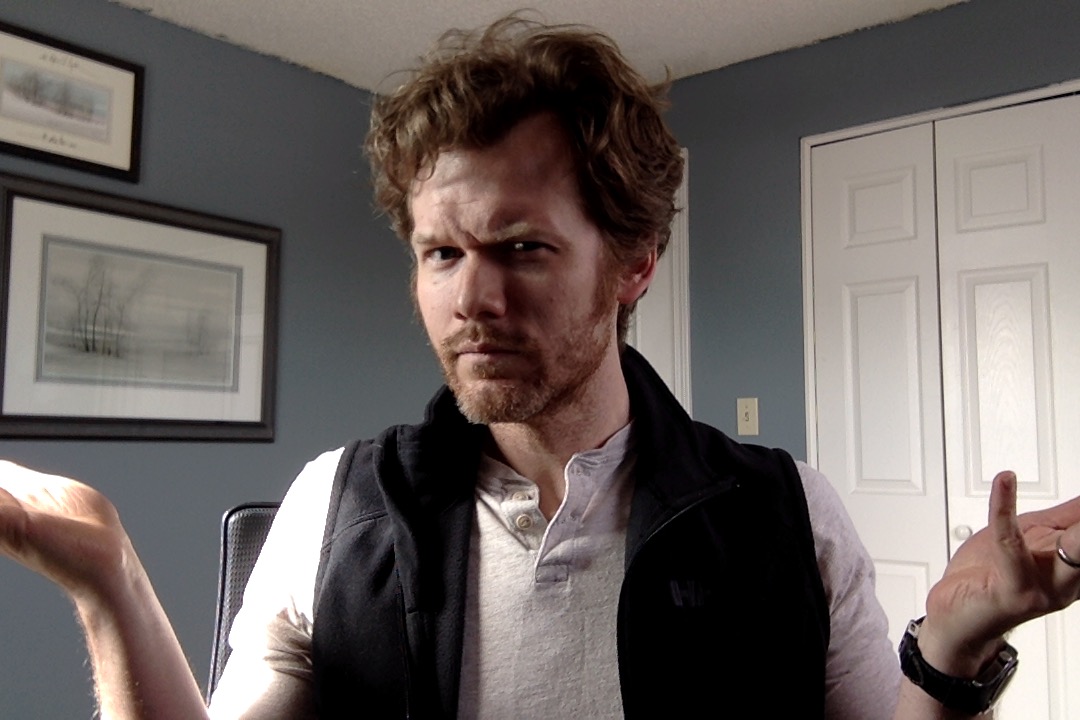
I get that you’re autistic, and I know that some things are a challenge for you, but —

^ that.

That is where autism awareness gets us. Is that as far as we can go?

Once we’ve had another decade of Autism Awareness Months, I think by that time we’ll all be aware of autism.

But for all my love of routine and enjoyment of hyper fixations, I can bore of similarity, so maybe we need to take this great leap forward toward the better option sooner:

Autism appreciation.

We can’t just stop at awareness, and we can’t end at ‘acceptance.’ The destinations are understanding, empathy, empowerment, and appreciation.

If I were to sum it up, autism appreciation is less “maneuvering awareness of the ‘deficits’ we may have” and more empowering acknowledgment of the strengths we do have. 

For example, we’re not always the best at taking part in “brainstorm” meetings that lack for lucid lightning and drown in ambiguous deluges. Rather than seeing this as a need to accommodate, why not state and appreciate?

“I know these brainstorms get bogged down. But you’re direct, and you cut through a lot of the noise when you sense it’s getting unclear. I’ll back you, because we need your skills and strengths in this.”

Or even when it comes to social gatherings, I’d rather put in places where we can be useful.

“You’ve got a knack for tuning out the noise and doing stuff when you need to. If you’d rather take some anxiety off of having to mingle, what do you think we can do to get the best of both worlds here?”

Instead of seeing our hyperfocus as rude and standoffish, find where it comes in handy. Instead of bristling at a big word, see this as a way to learn something new without trying.

Rather than think less of someone with rigid routines, or of those who need a ritual for self-soothing, or toward those expressing themselves directly, or even detached from emotion — there may yet be a benefit you’re failing to appreciate.

So when you’re aware of someone’s autism, great — let’s look ahead to where acceptance and empowerment better inform appreciation, too.


Why We Don’t Just Outright Tell You We’re Autistic

IMG_3396.JPG

Know how most people discover I’m autistic?

“So I read your LinkedIn . . .”

“I came across your site the other day . . .”

“You have a certain set of mannerisms that, while well cloaked, seem to match criteria relating to . . .”

“A colleague shared your blog with me . . .”

Most people discover I’m autistic, because they have to discover. I don’t directly tell them.

Disclosure is DIFFICULT.  Even in the most inviting of circumstances, it’s a daunting revelation, and for as freely as I publicize it here, I’m reluctant, timid—scared—to bring it up.

While I imagine it has its degrees of difficulty for others, here why I’d imagine we’re not rushing to tell you we’re autistic:

There’s a stigma. It’s that uncanny valley effect that affects those with hidden disabilities and different abilities, especially those mentally. The revelation just doesn’t elicit the same kind of empathy and understanding; it’s challenging. People’s preconceived, embedded notions of autism haven’t been elevated enough to where I’m always comfortable disclosing in person.

The reactions are unpredictable. I have a hard enough time with people and unpredictable reactions anyway, so I’m guarded on that front even regularly. Have they been positive for me thus far? Thankfully, yes. That is, of those who choose to tell me.  Are others betrayed? Concerned? Doubting? Of the array of reactions we could expect, it’s burdensome to predict and account for all of them.

It raises questions. Right away, people take your disclosure or discovery and compare you to their understanding of autism. I’m not exactly like everyone else with autism, and they are not all like me. Sometimes people don’t know what to do with that info. It’s not that they ask more questions – it’s that they don’t. What do they think of me now? How did this affect how they treat me going forward? What have I done? It raises questions — from me! 

The environment isn’t always right. Do you know when people prefer to tell you things? It’s not always when the moment is right, but when the environment is right. It’s not just about a safe space: it’s a space secure, inviting.

This is where you can help. You can make more of these right environments.

Are you the type of person who invites open discussions? Appreciates the unique attributes people bring? Asks good, curious questions? Reinforces positives aspects of a person’s growth? Cares in challenges and challenges in care?

I’m not the only one with this ‘open secret.’

My hope is that others like me will find further fertile environments to be open, bringing their whole autistic selves out more openly, and making this less of a secret.


Here’s Where You SHOULD be ‘Autism Aware’ (if you settle for ‘awareness’)

Photo on 4-3-20 at 9.52 AM.jpg

April is Autism Awareness/Acceptance/Appreciation Month, whereby I am granted ‘exceptional liberty’ to advocate for the autism experience.

My personal and shared crusade is to help move past this being a month of settling for “autism awareness” and steer this sucker HARD to port toward acceptance, appreciation, understanding, and empowerment.

But, baby steps. So, to that end:

If you’re wanting to improve your autism awareness, here’s where you should be aware.

We are all autistically unique. To paraphrase something I read from a professional connection, Aidan Casey: “If you’ve met one autistic person, then you have met one autistic person.” The differences in autism manifestations alone are unique, and once you combine that with everything else that makes one person unique from another, you’re going to find a whole array of variety even among those on the spectrum. Don’t lump us all together.

We haven’t gotten to be our own leading advocates. THIS is a problem. Autism is overrepresented by allies and experts (or ‘experts’) on the periphery rather than those in the epicenter. If you’re not autistic, by all means advocate and educate — just be sure you’re helping advocate and champion the autistic voices. We do need you; we need just more of us.

We struggle from unconscious bias. This is hard, because it’s embedded, but it’s impactful. I’ve literally lost opportunities for directness and verbosity, both of which have been mistaken for criticality and pretentiousness. It hurts to have had to “sand down” more of my autistic attributes to better my life for me and my family. My ship has sailed and wrecked, but those of others don’t have to.

We’re not all savants. Hell, I’m not even that smart. I just remember a lot of things, mix it into a big word cocktail, speak at a college graduate level after a bit of practice, and it comes off “erudite.” But I still need a calculator to subtract two numbers if they don’t end in 0 or 5. Oh well.

We’re not “higher/lower functioning.” Let’s set aside the functioning labels. We all have different and varying needs. We’ve all adapted differently, some more capable of doing so than others, others with more support than some. I live independently with a wife and two children, I have a stable career, yet I can’t “function right” unless the bed is made. I don’t have “Autism Lite™”

We might even be masking. Yeah, we’re all around you and you probably don’t notice. That’s by unfortunate design.

If you’re going to be aware, just don’t settle. Be better than aware.