Autism Needs More Than Just “Awareness”

Screen Shot 2020-03-28 at 3.41.27 PM.png

April 2 is Autism Awareness Day.

It’s also my yearly reminder, and I will remind on this every year.

We need more than just “awareness.”

Just because you’re “aware” of something doesn’t mean you’ll do anything meaningful about it.

It’s a good start, but we’ve already started. We need to move on to the next steps.

Some stance this as autism acceptance. That’s a little better in the right direction.

But does that mean we’ve been unaccepted? Am I unacceptable somehow? It’s a sad indictment, but often true: we don’t often fit social norms, we struggle in many ways that baffle people, and even our expressions often jars people at a subconscious level — if it’s not “normal,” it’s not “accepted.”

We could use more acceptance, sure.

But we need to go beyond awareness, beyond acceptance.

It is too late for Hunter Hansen, so let me pivot away from me for once.

Think of your autistic son, daughter, friend, or loved one. Imagine their teacher, employer, anyone close to them.

Telling you they’re aware of them.

Saying they —sigh— accept them.

What would you want to hear instead?

Whatever that would be: that’s what we autistic people need. 

More than just ‘awareness.’


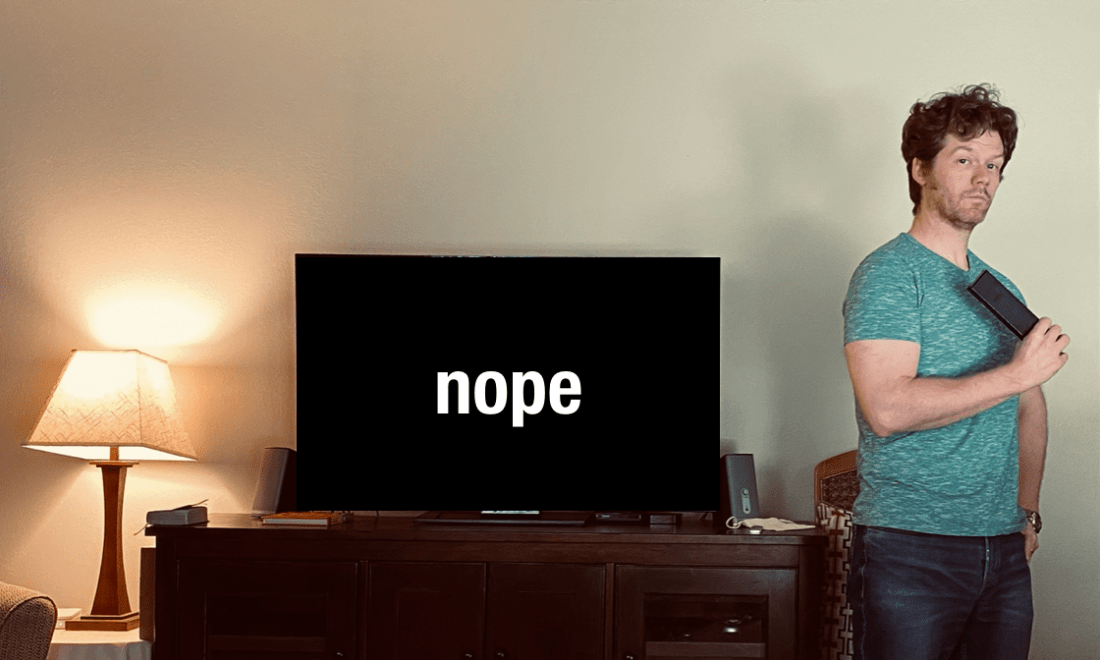
Take the Box Away: How I Stopped Getting Triggered and Saved my Sanity

Screen Shot 2020-03-28 at 2.53.36 PM.png

I don’t watch a lot of TV anymore. Not only does my nearsightedness make this a good habit to avoid, but I’ve found this general stance plays into my autistic sanity — it’s precious, rare, and I need to preserve what’s left of it.

In my younger days, I’d consume and be driven by this one conservative news RSS feed. Poring over it day after day, week after week, I’d walk away “informed” and “more educated on current events.”

The invective became an addiction. The righteous indignation stuck to my bones. My soul would “sear” from this truth. My reflexive fist-clenching gave me drive. But more and more I’d feel the pain and tension.

The revelation finally came after being worn down raw:

I don’t like feeling this angry.

That was it. I no longer wanted to be set on edge. So I took the feed off my bookmarks, trading “being informed” for peace.

I was no less informed. But I was much less angry.

Instead of telling myself “don’t open that box,” I took the box away.

I’ve used a similar approach with my autism, knowing things that rile me up more than they would a normal person.

For those who are generally consuming an enormous amount of stress and panic from reading about coronavirus non-stop, I feel for you. I’ve been there. That’s why I don’t read things like that non-stop. 

Take the box away.

That’s a big thing. More often, I’ll find the adaptations for small things.

My own doorbell broke a while ago. I’m never repairing it. I like the lack of surprise.

Even seating choices, I’m making the effort to find a corner, end of a row, or somewhere where I know I won’t be triggered by proximity.

People with whom I have a difficult time feeling at ease? I don’t shut them off, but I make as much effort to limit contact, keep things high-level, and only opting in when I have to.

Take the box away.

Grinding myself up against things that are only going to sandpaper my flesh and soul down to bone exposed — I can only stand so much of that.

So here I stand against it.

You’re going to open that box if it’s there. I know I do, to my peril.

Take that box away.

We Were Made for This Challenge

11021403_10153152900442246_2286927848545531965_o.jpg

Would it be weird if I said that this COVID-19 pandemic has made my life easier?

Aside from the tiring marathon of working for the past (checks calendar) eighteen(!) days, I’d say my autistic routines have been warped, but they’ve not gotten worse.

I was reading The Ringer the other day, and this one quote jumped at me:

(W)ith no sports, no access to bars and restaurants and movie theaters, and limited interactions with other humans, millions of people are already incredibly bored.

That sound a lot like my life anyway. What’s the issue?

Growing up autistic and discovering more about it later on, I got accustomed to the lack of group entertainments, interactions with other humans, and everything else that people needed to stave off boredom.

I’d venture to say that, in some ways, this new era isn’t challenging us autistic people the same way it is for you.

We’re mostly comfortable in our own safe havens. We don’t have to negotiate the awkwardness of social touchpoints. Or touch! The pre-planning that goes into “talking and acting like a normal person” — totally off my plate. People obligations: gone. 

I’m not bored with this. Tired, sure, but not bored. 

This is the kind of challenge I was made for.

“Yeah, H2, that’s great, but I’m not autistic. I’ve streamed the entire Netflix catalog and crossed all the animals in Animal Crossing. I’m going crazy here.”

Our heroes in healthcare and essential business aside, I can imagine this might be tough on extroverts, neurotypical introverts, or most others trying to stave off this more isolated, temporary reality.

This has always been more of my autistic reality-reality, so let me share things I embraced then and still do now:

Create. If you’ve got this much time to burn, you can only do so much consuming. My outlet was and has been writing; if I had more time, I would then write more. In my younger autistic days, I wasn’t cool enough to know what was “cool” from a taste standpoint. Not much has changed there. But it was cool to create. 

Sharpen a skill. I didn’t have a life, social or otherwise, during my year of teaching elementary school. So I put my routine-driven nature into learning how to juggle. And I’m still good enough at it to wow kids at a party and double as an awkward clown. Same with cooking. Nowadays I try recipes or try making the same thing over until I’m eggscelent at it.

Develop expertise. Surely there are topics you love. If you’re saddled with downtime, pull a page out of Hunter’s autistic hyper-focus playbook and learn even more about something you enjoy.

I read another great quote: “If you can’t go outside, go inside.

The life autistic has been like that in many ways.

Aside from the actual, literal gravity of this situation for many, these are challenging times.

For us autistic people, there are ways we were made for this challenge.