We Aren’t Going Back to Your ‘Normal’

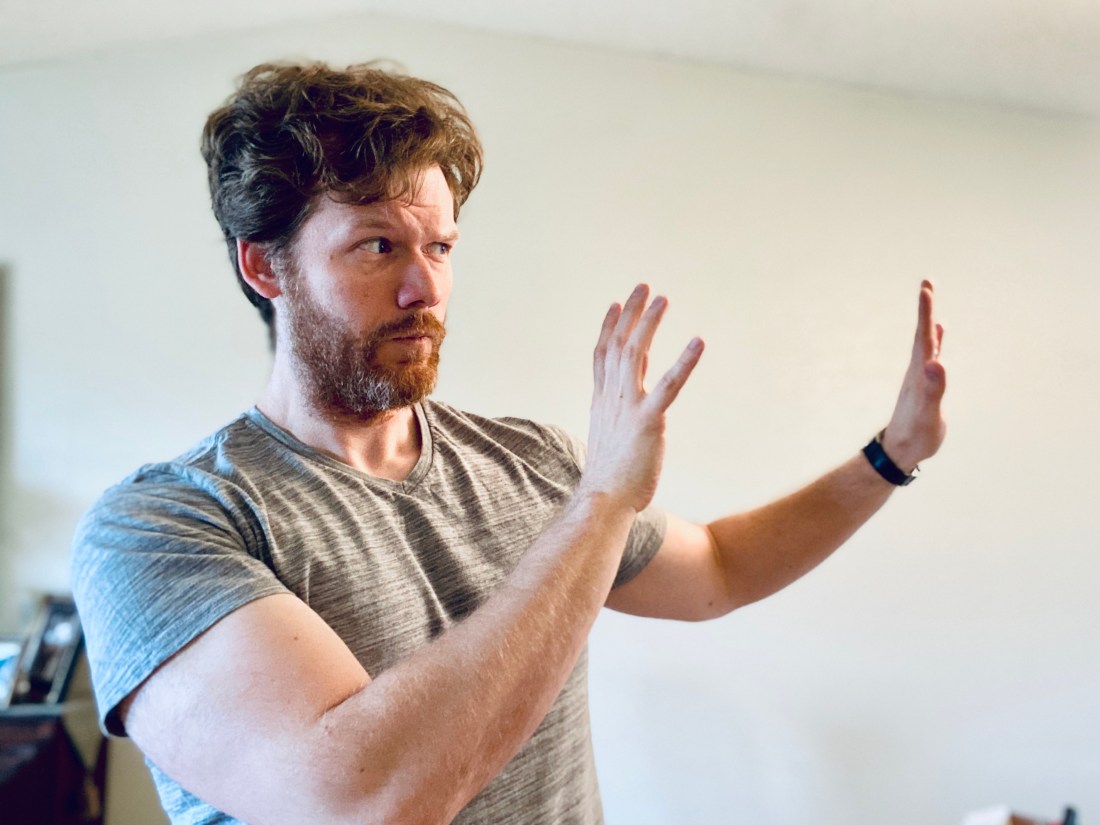
IMG_3544.JPG

People around the world are limiting social contact and social distancing.

Just like us.

No one is attending events, hitting bars, or flocking to large gatherings.

Neither were we.

Folks are self-isolating, staying from home, angling for remote work.

This is sounding familiar . . .

You’re adapting to a new normal.

But for autistic people, a lot of this is just normal-normal.

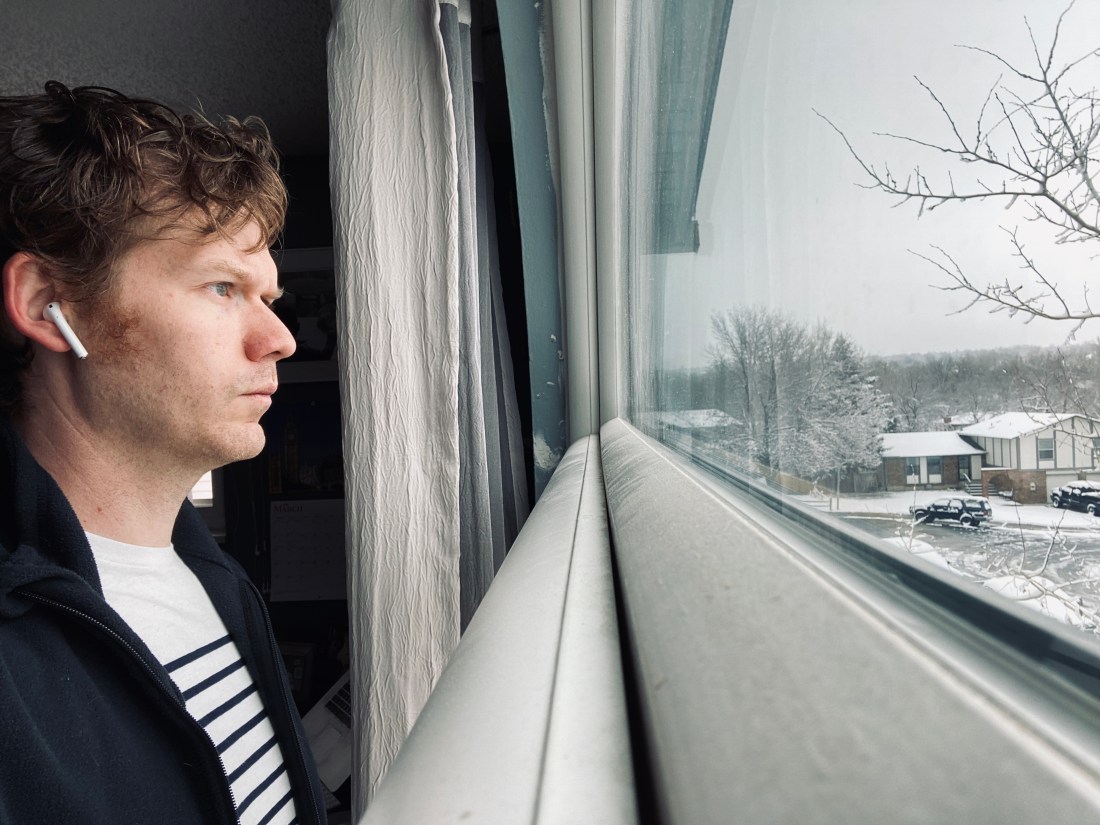
I’m not all that stressed about COVID-19 in general; while I’m prone to different stressors, my triggers are all more personal — and they’ve definitely been triggered in their personal effects on me. Work gets busy. Kids get cranky. It just snowed.

It doesn’t stop me from reading the commentary of the world, the tales of isolation, the struggles of distance, connection, being conscientious while close and yet far. The withdrawal from touch, seeing others, the new sensation of awkwardness in not shaking hands, hugging, or otherwise coming close.

But I’m feeling a stranger relief now.

Fewer visits, meetings, obligations. All the social readiness beyond work — it is no longer needed. No special reasons why I won’t be meeting people or entertaining others.

The playing field has leveled. More people can now empathize with me, and I with them. Remote work isn’t easy for many, but I find they’re in my boat now. Staying in on a Friday night? That’s an anomaly for many, but not for people like me.

But eventually, there will be a normal you all go back to.

But for those of us on The Life Autistic, have we ever really left?

The parties, bars, gatherings, nights out, hugs. It will ease its way back into the world. The torches of touch will be rekindled. We’ll have connected from afar, coming back together, connecting closer from hence.

You deserve this. You’ll need to go back.

We won’t be coming with you.

Remote Work Has Saved My Life

IMG_8657.JPG

A lot of folks are temporarily working from home nowadays. I don’t know how you can all manage that.

Not the working from home part. The temporary part.

I don’t see how people manage not to do this all the time.

Working remotely has pretty much saved my life as an autistic working professional. 

Commuting. Variables. In-person stressors. Impacts on routine. Exposure. Compounded social anxieties, interpersonal ambiguity, even the fact that I walk funny — you name it, I just wouldn’t have had as good a professional experience if I wasn’t able to work from home.

That would have deeply, profoundly impacted my ability to function, provide for my family, accommodate change — all of which have been crucial to my quality of life.

Here are some of the “lifesaving” benefits it affords us autistic people:

An “opt-in” vs. “opt-out” approach. People say I’m really well-networked at work, which is unbelievable. But it would have been impossible without the setup to be intentional about my meetings and meetups. I plan. I come prepared. I get to assess my own social bandwidth and spend it only when I need to. And only when I can.

Selective exposure. I’ll travel and work at one of our locations from time to time. It’s great, but it’s hard to sustain for me. I can struggle with walkups, impromptu meetings, passersby, or frankly — my own unspooled curiosity in finding a peer to get a convo going after eavesdropping something of interest.

Emotional shielding. In my career,I’ve had maybe three great days, a lot of good ones, and some profoundly bad ones. I spend so much time masking even when I feel normal that it’s nigh impossible to maintain that in crisis or legitimate duress. Remote work allows me to disengage, recharge, and reboot without compromising my “image” or comportment.

Communication. When you work remote, you write a lot more. That helps SO much. If you get me talking, then I get myself into trouble. It’s no fun. But if my primary working mode involves more writing, planning, careful thought into what I say: then that’s a benefit!

Freedom to stim. I haven’t written about this yet, because I’m saving it for later — but being able to stim or otherwise pace at autistically-frantic speeds is a wonder for my own mental soothing and health. Can’t exactly do that up and down the aisles at work . . .

Routine safety. I am a creature of habit’s creature of habit — everything from my workspace is ordered, clean (kinda), and arranged for me, by me, with very few disturbances or otherwise unexpected happenings. That kind of routine safety takes away a major stressor.

If you’re not used to working remote, I understand it’s not for everyone. Hang in there. Drop me a line; I’ll be happy to help and hear you out.

But for those of us on the autism spectrum: remote work can be a lifesaver for us. 

It has saved mine.

(Oh, and it probably kept me away from COVID-19 too. That’s nice.)

Social Distancing? We’re The Experts.

IMG_9714.jpg

I’ve been reading about the need for “social distancing” in the wake of COVID-19, where the CDC defines this as “remaining out of congregrate settings, avoiding mass gatherings, and maintaining distance (approximately 6 feet or 2 meters) from others when possible.”

Well, gee, if that doesn’t sum up the autistic experience in a nutshell, then I don’t know what does.

This is a challenging time for neurotypical people, where losing out on handshakes, hugs, and general human proximity is a distinct challenge. And it’s tough for most regular folks to practice social distancing subconsciously.

Unless, of course, you’re autistic: people practice it pretty well with us, and us with others.

We’ve lived a life where people definitely don’t go out of their way to close the distance with us. They just know we’re “weird” and “different” and subconsciously they’ll maintain that safe distance (approximately 6 feet or 2 meters) without being asked.

We can be cold, robotic, and unless you’re another robot, people don’t generally look to gravitate toward that.

It’s ok, though. It’s our life autistic. We’re used to this.

I’ve grown up greeting new people with a “hello” and leaving it at that. I already try to find the least crowded space in people spaces. Handshakes and hugs? Well, OK, I’ve gotten better with those, but there’s a quota.

I’ll wave. Smile. I can project to where you can hear me across a table. I’m not going to sit close. You don’t want to either. I’ve mastered a certain kind of “bristled” expression that dissuades contact. I’m not even sure if I do that intentionally now.

So if you’re having a hard time with social distancing, ask the autistic people in your life about it.

We have a lifetime of experience and expertise with this.

When this pandemic clears, go enjoy hugging.

We’ll wave and smile.