The Life Autistic: We Can Get Along (but not for long)

IMG_9976.JPG

I remember taking myself down the alleyways and misted halls of memory, trying to trace a core feeling I’ve walked around with for a long while:

Why does everyone seem to disappear?

I have no lifelong friends.

The ones close once are now far.

Everyone exits my orbit.

People fade.

I am stupidly fortunate to have a wife and daughters who mostly enjoy me on most days, but I can’t shake the feeling that they too will be just . . . gone.

The Life Autistic is a great exercise in deep self-awareness, and I found one element of the whole “people disappearing” act.

Growing up a Navy brat, life itself and the others around me – they were all in transition.

No one remained for long.

What few friends I had, they’d be stationed elsewhere within months. Years, if I were lucky.

I wasn’t fast on friendship then, and I’m not all that quick about them today.


But here we are today, and still I ask:

Is everyone going to disappear again?

It’s an innate concern that has me looking without, within.

I am a difficult person in person. 

The Life Autistic, y’all, it tires people.

And we know it.

It’s hard dealing with someone who can whip from mad/sad/glad in an instant.

Who vanishes at a moment’s notice to recover.

Who turns ice cold when the empathy tank runs out.

Who can offer only a shoulder blade of steel to cry on.

Who tries hard to be human, but — just isn’t.


It’s why I enjoy working from home. Writing. Tweeting.

I don’t keep a distance because I need it from you.

It’s because you need it from me.

The Life Autistic: Why We Learn to Fight Alone

PCV2ESPIMY.jpg

Do you ever send a version of yourself back in time? Just to give your past self these pep talks, little reminders, things that’ll get you through many yesterdays ago?

In my own mind, I feel I’ve gone back plenty.

To tell myself this thing then.

To hear my future self telling me now.

“Learn to fight alone.”


There are those helpful refrains that many others enjoy.

“We’re all in this together.”

“People know what you’re going through.”

“We’ve got your back.”

In The Life Autistic, not so much.


If you’ve ever seen Inside Out, the takeaway is that Sadness is key. It pushes the empathetic response in others.

And yeah, that makes sense for normal humans.

“Oh wow, that interview went that bad, huh? I know the feeling; did you wanna go get a coffee or something?” (or at least that’s the best I can imagine here).

But it just ain’t the same for us.


When even the simplest routines go awry.

When something in the day is out of place.

When meltdowns happen.

When you’re the robot malfunctioning in a room of humans.

When you’re angry for reasons that neurotypical people can’t relate to.

Good luck finding the empathy.


When things go bad, they are lonely fights. Few who understand. Fewer who’d relate.

Not only is it a self-struggle keeping ourselves in check, our expressions, reactions – there’s everyone else around who—even if they try to get it—will have a hard time getting it.

So this is where I return to pasts long passed from futures yet foreseen:

You’re right. No one seems to understand. It’s hard to find people who care. It’s tough when no one else gets it. To them, it’s just a spilled bowl of cereal, or whatever. 

Somehow, it’s OK. 

Anyone who does get it, that’s a bonus.

Because your help is an uplifting surprise.

When someone well and truly cares, it’s rare and wonderful.

You may not always heal by yourself.

But learn to fight alone. 


The Life Autistic: The Story of Sherlock Hunter

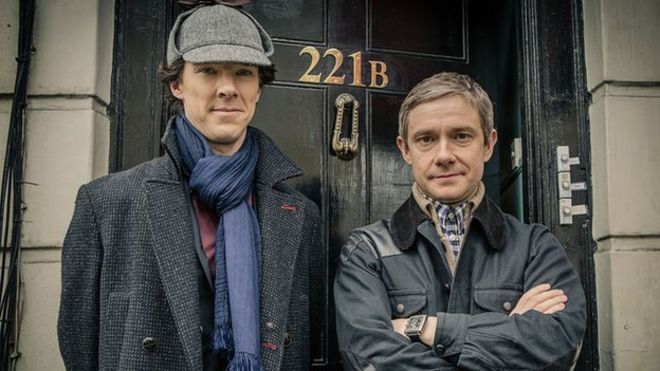
_75987533_sherlockandwatson.jpg

Ah, yes, you probably remember inventing an imaginary persona for yourself as a child.

Probably a hero.

Likely someone cool.

My alter ego was Sherlock Hunter.

I’d only had passing familiarity with the character.

I drew myself with a deerstalker hat. Maybe a magnifying glass. I don’t quite recall the particulars as I do the colors.

Purple. Black and tan. Usually checkered.

Always curious.

It was such a prevalent thing of mine, I even remember my first grade teacher using it as an example.

“Some heroes have secret identities, like Sherlock Hunter and Hunter Hansen.”

It had me beaming.

It wasn’t until recently that I’ve sat down and wondered:

Why Sherlock Hunter?

I didn’t read the books. I was no good at mysteries. Didn’t care for hats. Terrible at science.

I was a first grader. Why did I do anything then?

But then, Mrs. H2 and I started rewatching the BBC Sherlock once again.

The first episode remains my favorite, if only because it introduces Sherlock so well. His otherness. His strangeness.

And I watch how he sees the world.


Callous. Cold.

Clued in, but clueless.

Loved or loathed. Nothing else

Hearing the other detectives call him “freak.”

Annoying, yet useful.

Virtually friendless.

Different.


Yeah.

That’s probably why it was Sherlock Hunter.