The Best Days in The Life Autistic

I was once a big lad.

“Well I brought some harðfiskur with me. Would you like some?”

“Wha—I, uh, sure?!”

Autism has its good days and its bad days. And then on extreme occasions, I have a “best day.”

I’ve blogged about and talked about my worst days on the spectrum, and those don’t take much doing to happen. A few apples fall off the cart, the whole thing wrecks, and there we are in the ditch.

The “best days” are a rare event, an earthy syzygy; I had one about seven years ago, nearly unrivaled since.

(Mind you, there are those ‘event-level’ days: my wedding, birth of my kids, Tim Tebow upsetting the Steelers in the first round of the NFL Playoffs, high scores in Wii Bowling, but those are different.)

My wife and I went to Coohills, a French-styled restaurant in downtown Denver, for their Taste of Iceland event, featuring guest chef Þráinn Vigfússon. Having grown up in Iceland and having also been deprived of fine-dining opportunities, I’d been—gulp—getting autistically eager over the opportunity. The fact that this was happening made me giddy enough.

I speak a little bit of Icelandic, so I began hyperobsessing and imaginatively projecting that I’d be able to reel off a little islensku, parlaying my ability to actually say the chef’s name properly into a glittering conversation, and then—well, I didn’t get too far beyond that. I just wanted to be the cool one for a night. The grand imaginings, these.

Course after course, we were treated to Icelandic-infused haute cuisine: the langoustines and Scandinavian breads echoing with this faint imagined memory of what I ate back “home.” At the table next to us, two boisterous businessclowns tried to regale Chef Þráinn in vain (note: that’s a sight rhyme – those two words don’t actually rhyme) as he went table-to-table to serve up dessert, a liquid-nitrogen-frozed skyr ice cream concoction.

Since I observed him going through this tableside service, so I had ample time to rehearse (nervously) my lines and line of conversation. It’s taxing enough in English. Try it in Icelandic.

So when Chef Þráinn came to our table, I was ready.

“Er þetta skyr ís?”

I asked if this was “skyr ice cream” — he obliged and responded back, keeping in Icelandic.

I was thrilled. He asked if I spoke it.

Bara pinulitið,” I confessed. But that was enough to make his night and get him talking beyond just the superficial level — with me, the fine-dining novice.

We got to conversing, and I joked about how each course was way beyond expectation, and how I thought this would be more traditional, like with harðfiskur (a favorite, hardy snack of mine).

And he had some on hand. His own personal chef’s stash!

It was a joyous treat, replete special treatment, culminating with a pic and some charmed memories of the evening – plus an invitation to stop by his restaurant at the Blue Lagoon next time I visit.

So what made this an ‘autistic best day?’

The reality matched even my wild, specific expectations. Being able to imagine speaking Icelandic and making ‘fast friends’ with the chef was a bizarre daydream — but it happened.

My rehearsal paid off. I pride myself on autistically navigating myself through social dilemmas with pre-practice, and in this case, even doing this in my second language – every box was checked, and I felt 100% validated in my preparational oddities.

I felt different and special. While Chef Þráinn mingled and small-talked with the rest, he was genuinely impressed in our common ground and devoted a little more to the conversation with me — and that was awesome. It’s a great feeling.

We have our good, our bad, and our best. I could use a lot more of the best!

I’ll write more about the bad days later, but this was a good reminisce to put a smile back on my face.  To learn more about autism from an autistic person’s perspective, follow & subscribe to The Life Autistic here and on YouTube — or follow the more whimsical, spontaneous, and amusing content on Twitter / Instagram. Thanks.

If you like stories, I’m still making more of them and recording ’em along the way. Check out my latest below; it’s a funyun.
Autism Stories from Autistic People – Why It’s Worth the Exhaustion

Screen Shot 2020-08-13 at 6.28.14 AM.png

The first things that come up for me when I start typing in “autism stories” to search

  1. autism stories of hope
  2. autism stories from parents

Both are well and good, but we need more autism stories from autistic people.

To that end, I’ve opened up shop on YouTube and launched my first video, where I cover why it’s critical for us to share more from our unique autistic perspectives. I’d love you welcome you as a subscriber there!

That said, I can see why autistic storytelling is in shorter supply.

IT IS EXHAUSTING. 

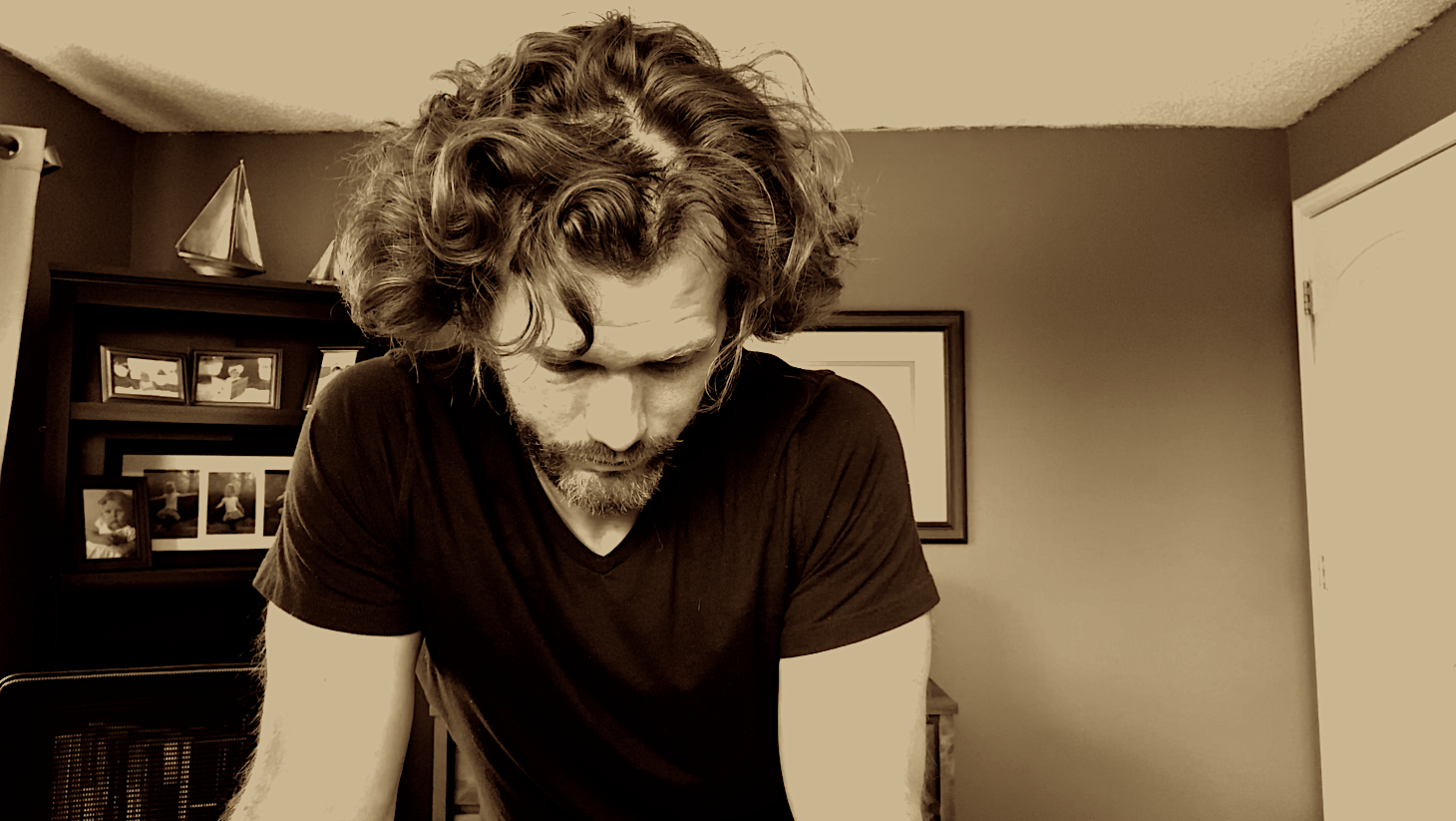
I think I left that above frame in the video, and I didn’t act that one out. I was spent after sitting in front of a camera for 7 to 9 whole minutes, framing what I wanted to say, and front-loading my most expressive self.

IT IS NOT EASY.

So not only am I “keeping my jets on” for camera, I’m contending with those obsessive, OCD-style things that threaten to disappoint and dissuade me from just opting out of this mess altogether.

Did you notice:

  1. I have a loose hair clinging to my goatee, and I noticed it all too late after I was halfway into editing
  2. I said I cried during all three Toy Story films. There are four. (Thanks a lot, Zach Bowders).
  3. The audio that jumps too high when I read off the numbers to the “five things”
  4. At least three cuts that were a millisecond too quick
  5. How I started reaching for my glasses too early to stage the “expert” scenes

It’s normal to pick at your own imperfections, but when you’re both autistic and hyper-self-aware-critical, it’s enough to keep your story from coming out. And then all the “pre-staging” I’m doing to prep for people who don’t like this content or getting my first thumbs down – it’s like I have to check my anxiety cloak at a door that I keep entering and exiting.

IT IS A LOT.

But it’s necessary.

I’ve been super grateful for the kind words and the feedback and the people who think I’m good at editing (thanks 😛 ). And because it’s worth mentioning, I’ve spent years in front of a camera for virtual work meetings, so it’s something I’ve acclimated to. It still gets to be a bit much, but I can do it a little justice in short bursts.

So what now?

If you’re an ally for autistic causes, support your autistic storytellers. I know it’s hard not to share your proximity and your involvement as a parent or significant relation to an autistic loved one, but their voice matters. 

If you’re autistic, share your story. You deserve to. The platform should be yours, ours. 

It’s exhausting effort, but it’s worthwhile. And I’m going to continue doing so here, in writing (my first love and best skill) and on video.

I hope you’ll do and support the same!

I am glad you’re reading this blog! This is my “easy” medium, and it’s nice to use one of my few skills to do good. Video is my “hard” medium, but I’m giving it an earnest go. To learn more about autism from an autistic person’s perspective, follow & subscribe to The Life Autistic here and on YouTube — or follow the more whimsical, spontaneous, and amusing content on Twitter / Instagram. Thanks!


Dealing with Loss: Autistic Reflections on Bereavement

GMA.png

We had come back from visiting my grandparents, and I recall a phone call we had maybe a week later. I was seven years old.

Know how your parents would come ask you to “say hi” to whichever relative they had on the phone, as if you were able to have a cogent conversation with an adult? It was awkward. And because this was me, it was more awkward.

My grandparents said they missed me.

Me, being autistic me, related the best way I could.

“I remember you, but I don’t miss you.”

They kinda laughed, and I recall my parents saying, as if to emphasize for some punitive record, “Well, he remembers you.” They didn’t take me to task for that one, though I’m sure they considered calling an adoption agency or an extraterrestrial child rehoming service.

As of last week, both of my grandparents are now gone.

My grandpa died nearly 20 years ago, pretty much going to bed one night and not waking up the next. He was as sharp and clever, never having declined. Here one moment, and gone the next.

While I was shocked by the news, there just wasn’t that emotional crater I’d expected. With my grandparents living out of state, my day-to-day wasn’t as affected.

My grandma lived on for another two decades, albeit less and less so as the years passed. Until last week.

Having grown up on and around military bases and personnel, I wasn’t really accustomed to seeing people gradually decline in age, body, and mind. My most impactful memory was grandpa just *being gone* without cresting down a hill.

Seeing Grandma slide — and then hurtle — down that hill over the past 10+ years: it was a different experience altogether. One’s exit from life is not always endowed with swift, graceful passage.

When I read that Grandma died, I texted my mom back, went to work, and mostly trucked through my day.

There just wasn’t much of a reaction. That’s not because I’m autistically soulless and callous — anything but. We are creatures of routine, and we process things — even major things — through an architecture of our day-to-day. I was fortunate to have amazing grandparents, just not so much to where they were part of my day-to-day.

It’s sad that we suffer in many facets from this “difference in expectation,” but I hope to shed some light here: we are not going to react in the same emotional register as you will.

Grandma had been, in a way, long gone already.

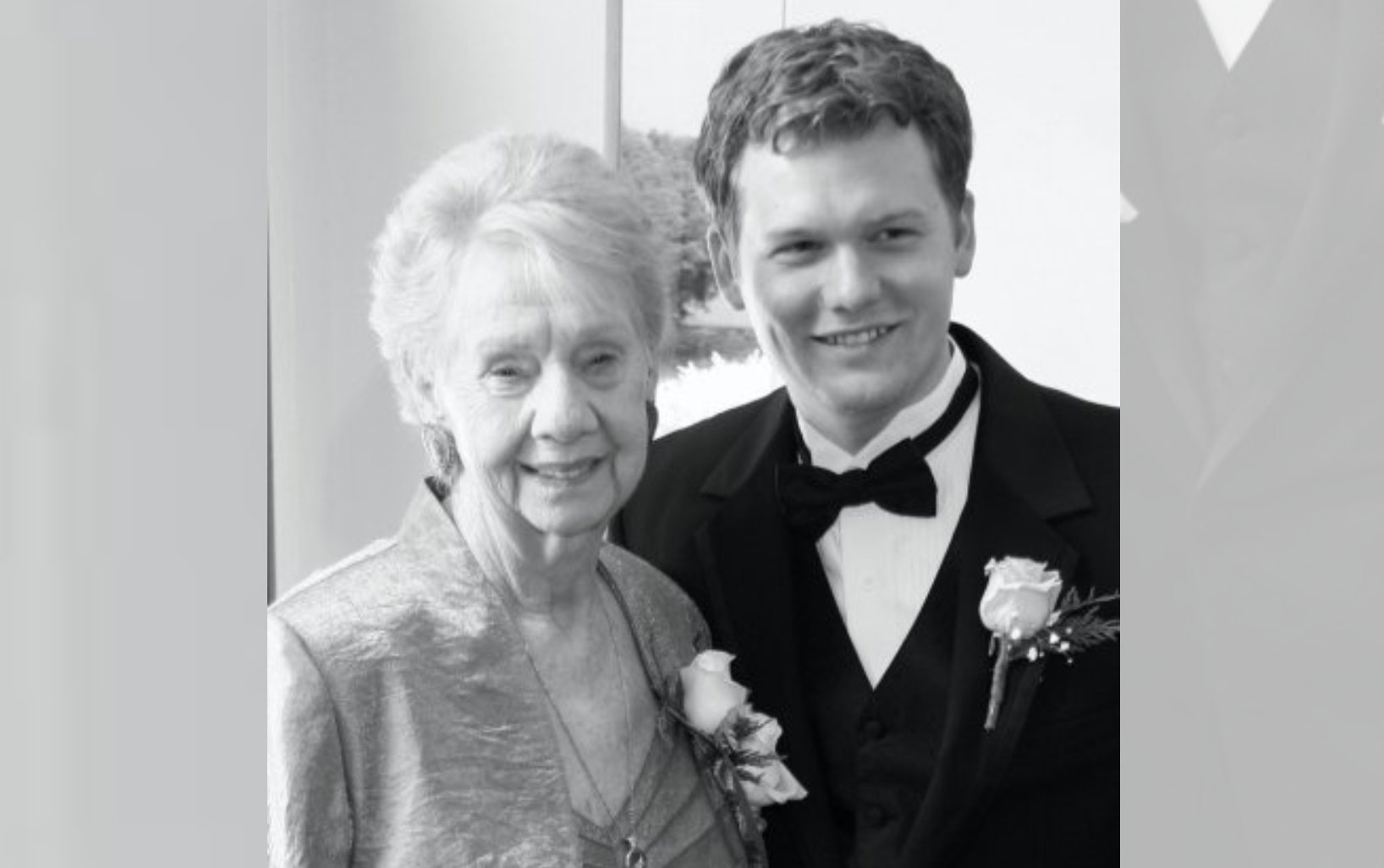
In talking with my folks this weekend, I shared that the Grandma I knew — the one that went on LEGO shopping trips, baked English Muffin bread, took me suit shopping, taught me how to drive, and made for interesting dinnertime company  had passed long ago, and I’d made that peace and processed it already.

As I reflect, I think of my quote from earlier. I’d amend it for today.

“I remember you, and I do miss you, Grandma. I miss who you were. This is something I process differently than others do. I hope you understand. I’ll always remember you.”

This was a more personal reflection here; I would hope that it helps lend some grace and insight into how autistic people cope with loss and bereavement very differently than you may expect. To learn more about autism from an autistic person’s perspective, follow & subscribe to The Life Autistic here and on YouTube — or follow the more whimsical, spontaneous, and amusing content on Twitter / Instagram. Thanks.