Two Words I’ll Never Use Again

Screen Shot 2020-01-25 at 2.43.24 PM.png

I remember trying to be thoughtful, earnest, and specific as a boy.

That got laughed out of me quick. 

Regrettably, I endured a long two-and-a-half years in Jacksonville, FL. Your experience may well vary, and you’re free to elaborate on your own blog. Mine was terrible. There was no more salient time in my life where I felt my otherness, difference, and loneliness more terribly than I did then.

One Sunday School morning, I remember sitting in class as the usual retinue of prayer requests were offered: personal health, family health, and travel.

There was this broad prayer they would offer for those traveling, neatly summed up in “traveling mercies” – a compact, vague, throwaway potency seemingly imparted from the prayers of church elders before to those beneath, until the nuances of its meaning had long dissipated, leaving only the faded ink of a stamp to one’s prayer toward someone and anyone traveling.

I was 11.

It came to be my turn to pray this instance, so I did my best to adopt this country vernacular while still being at least specific and thoughtful. Not being a stranger to polysyllabic words and expressions, I figured I could work with a few.

Never have I been more wrong.

As it came time to pray for “Ian’s family, for traveling mercies . . .”  – another couplet of words sharpened into view.

I recalled a billboard from a law firm, offering various services for all manner of unexpected woes, one of which was vehicular. There was a clumsy way I could have expressed my next thought, sure, but this phrase would tie off the bow more neatly, crisp.

“Lord, I pray for Ian’s family, for traveling mercies, that there won’t be any Auto Fatalities . . .”

Before I could finish my supplication to The Most High, a murmur of snickering interrupted the reverence, followed soon by outright laughing, both my peers and teacher alike. I don’t remember how I finished. I probably did, but I wasn’t privy to what was all that funny.

Auto fatalities.

This is where The Life Autistic is funny, but only in retrospect. It wasn’t then. There’s no one out there who taps your shoulder and says “This diction is inappropriately elevated to your audience’s intellect and education, thus, the result is predictably unfavorable. Just stick with the traveling mercies and call it a day.” At least not at age 11.

That one followed me. To what extent I was asked, I was reminded to ensure we had prayed against auto fatalities. 

Thankfully, Ian’s family made it safe and back.

I don’t recall praying in Sunday School there again.

The Last Bright Lights

IMG_5201.JPG

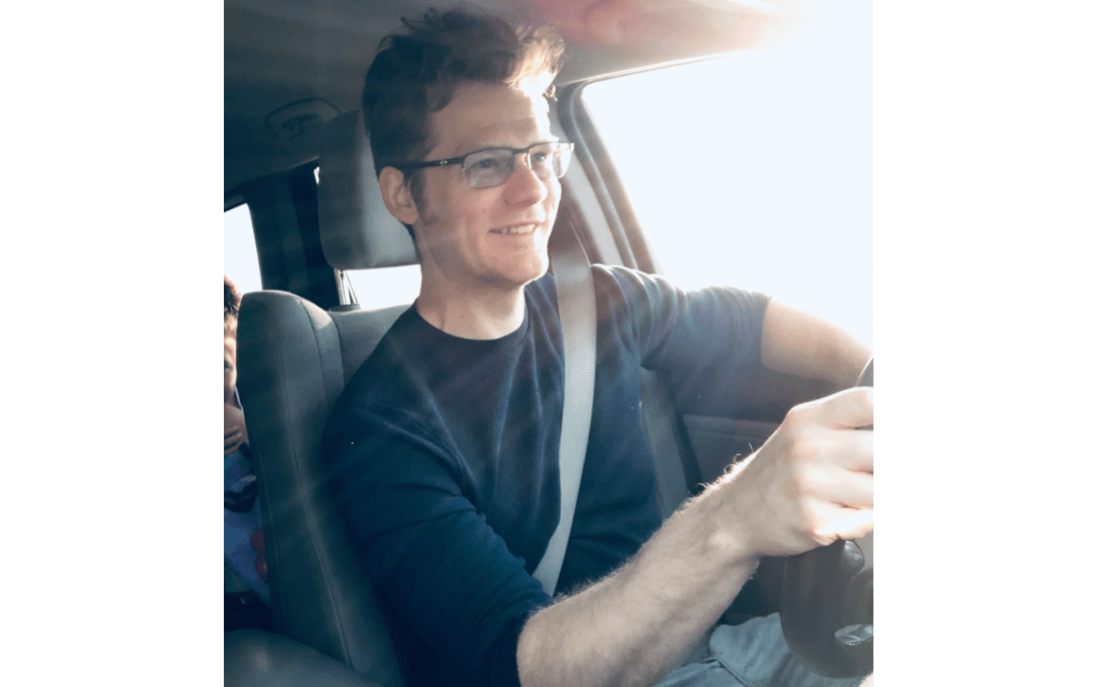
I’ve discovered that I have an audience among neurotypical people who have autistic children, nephews, and nieces — and I’m grateful for you, even if my experience and perspective as an autistic dad with neurotypical children is somewhat inverted to (most of) yours! So thanks for following along; I do appreciate it.

I once feared the prospect of fatherhood. I now love it, and my daughters have been twin wellsprings of unending, surprising joys, laughs, amusement, and chaos.

They’re already ahead of the curve on their perceptions. Mo, my oldest, points out when I’m stimming, or zoned out to another planet, or otherwise intractably focused and obsessed. Zo will probably pick up on those expressions in short order.

But they’re thoughtful and reflective now, and soon they’re going to realize: dad is different. 

On my worst days, I like to peer into the future, lay out the pieces on the chessboard in the endgame. And in that stage, I’m no longer there. The game is dire, the board bereft of pieces, the position tenuous.

It’s just as possible as not that I’m not going to do any justice for autism, for The Life Autistic, and for me. That I’ll screw it all up, go down unredeemed, and that less of a dent will be made to where I and others on the spectrum are better understood, valued, and celebrated.

But I’m hopeful.

Where I may fail, I have two bright lights that may yet prevail.

Who will both remember a loving, even if odd, father.

Who may tell a different story of The Life Autistic: “Yeah, my dad was autistic – but he was great, and here’s what we learned about him and people who are like him.”

Whose retelling of the tale could go far beyond mine, to where they’d make even better—and probably more likable—advocates too.

They are a constant reminder: there’s what we do, and what we do for others.

And they will be the light that shines beyond us.


Where Even Our Presidents Agree on Autism, Nuance, and Judgments

Screen Shot 2020-01-17 at 11.51.17 AM.png

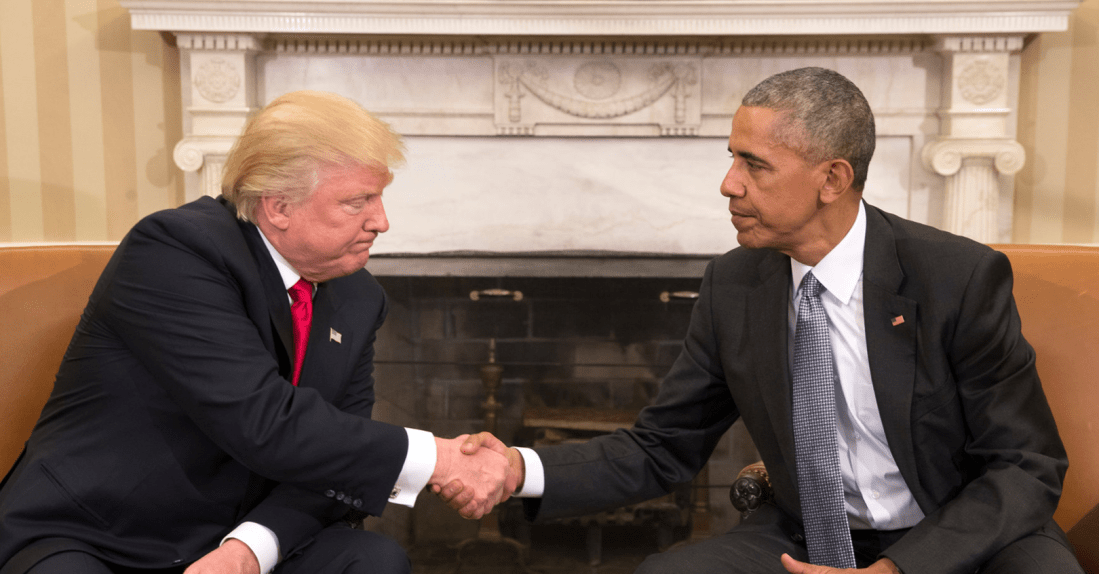
Consider these two different quotes from two different Presidents with two different personalities:

“I could stand in the middle of Fifth Avenue and shoot somebody and I wouldn’t lose any voters.”

— President Donald Trump

“This idea of purity and you’re never compromised and you’re always politically ‘woke’ and all that stuff – you should get over that quickly. The world is messy; there are ambiguities. People who do really good stuff have flaws. People who you are fighting may love their kids, and share certain things with you.”

— Former President Barack Obama

Beneath the obvious veneers, they’re saying the same thing. I’ll explain why.

As I reflect on The Life Autistic, it’s made me all the more aware that people are nuanced.

Nuance is a difficult thing: it’s hard to take the sum of a person’s attributes, characteristics, flaws, and strengths and find a way to balance them into a holistic sum.

Sadly, because it’s difficult — people take shortcuts. You’re either ‘all good’ or ‘all bad’ and when it comes to brushstrokes, people would rather paint broadly, sloppily. And that kind of lazy, maladroit painting is why we’re getting into such emotionally charged furors these days. Without getting into the zeitgeist, it’s become way more dangerous and consequential to put people on pedestals or in the trashcan and cast the nuances aside.

Ignoring this nuance is one of the most difficult things autistic people face.

We’re can be very logical, black & white, binary, whatever, but we’re also that way with inputs too. It’s unfair for us to be expected to deem (most) people as A/B, good/bad — and it’s jarring when we see others do the same, as if they’re ignoring or overriding their respective faults, strengths, and more.

That’s my first plea: it’s not that we disagree with you about people judgments just to be contentious. If you’re too positive, you’re missing negatives. If you’re too critical, you’re likely ignoring strengths. We know that there’s more to people.

How?

Because we often suffer from the same kinds of broad brushstrokes from others.

Just because we can be socially awkward doesn’t mean we’re always so.

Just because we’re sometimes incredibly cold toward some people and circumstances doesn’t mean we’re heartless.

Just because we don’t often pick up on unstated hints doesn’t mean we’re dense.

Just because we’re good at some tasks some of the time doesn’t even mean we’re always good at the same all of the time — function is a fluid thing!

It’s easy to say that autistic people are robotic, struggle with social situations, tune people out, don’t understand idioms, or can’t determine boundaries.

But that’s missing the nuance: where many of us are incredibly human, socially adept, and idiomatically proficient.

So please, don’t insist we paint with one of two colors.

And in kind, don’t reach out for one brush and one color for us either.