“Greasing the Groove” for Autistic Strength

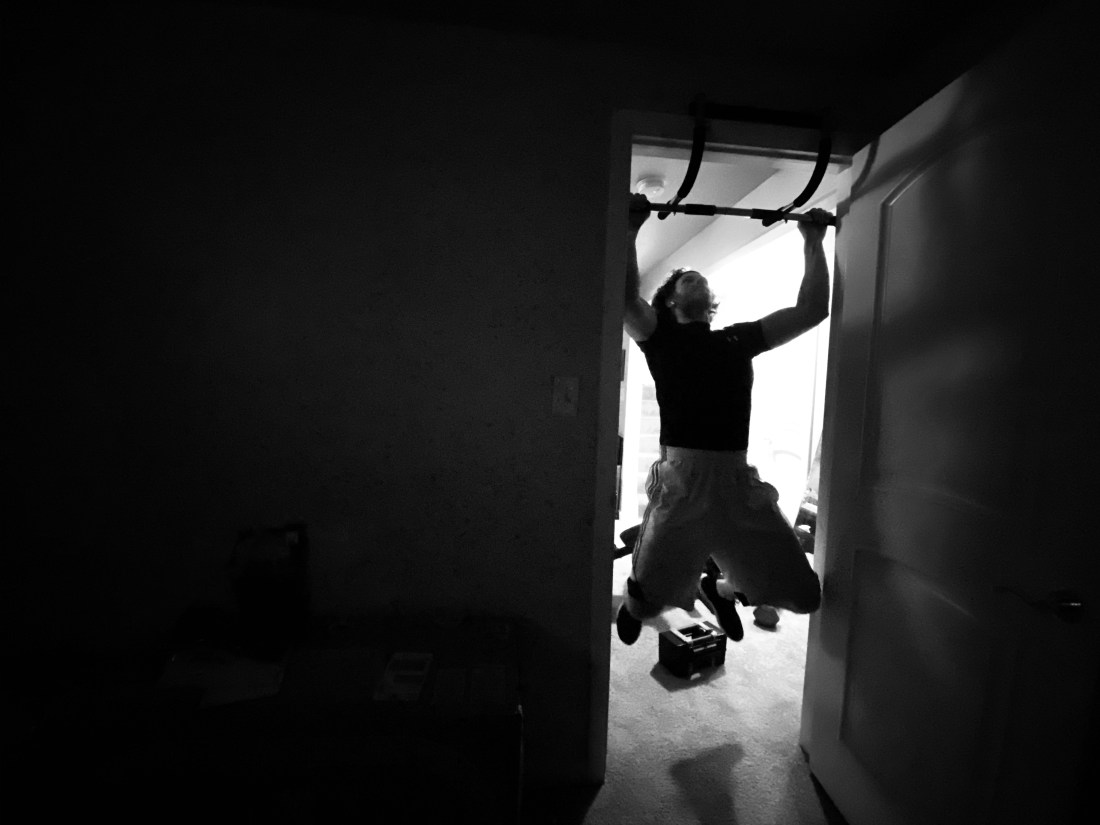
My family holds a pull-up contest every Christmas Day. I’ve never won.  Last year, I only cranked out four and embarrassed myself. The most pull-ups anyone has done to win was ten.

This year, I’ll be doubling that and embarrassing everyone else instead.

If there’s a “one easy trick” gimmick, it’s this:

If you want to get better at something, do it more.

Yes, I know, I literally said sort of the opposite.

Before you read any further and get this confused for some flabby rando’s barely-passable exercise blog — remember, we’re talking The Life Autistic. I’m trying to figure this all out and do my best, and part of that is figuring other things out.

Like ‘greasing the groove.’

If you want the explanations, read Pavel Tsatsouline’s hilarious primer or this Art of Manliness adaptation.

Either way, I realized I’d been doing this since before I learned about doing this.

There’s a way to grease the groove and build strength in your autistic experience.

These days, I can handle public speaking. All day training sessions. Long trips to the grocery store. Leading and hosting meetings back to back. Making phone calls.

I don’t possess the innate autistic strength to manage those. It came over time. It took a little bravery. Some of it was doable. Some of it I’m still daunted by — especially when it comes to visiting people, having guests, or even doing meals (which I enjoy) with people I don’t know.

But sometimes you can grease that groove. Starting slow. Jumping on video. Saying hello. Trying to hold a two sentence conversation with a stranger. Practicing a fun introduction to yourself.

Some of the hard things in the Life Autistic just remain hard; they’re heavy, and I only attack them every so often to better handle them.

Other things need more frequency, and while they’re not always easy, they’re not the heaviest things — there’s a groove I feel I can build here. Maybe you can, maybe you can’t — whatever, be you!

If anything, I know what I’m going to be: The 2020 Hansen Family Christmas Pull-Up Contest Winner.

 

Autism, Inclusion, and Diversity: Go Beyond Being an Ally

IMG_1332.jpg

It’s OK to be an ally. But it’s hard to do.

Because it’s hard to define.

In America and across the world, we’ve seen a surge in allyship for and with Black Americans in the face of racially-tinged injustices, both recently inflamed and those long-ongoing and overdue for change.

Many of us have stood up and out and declared ourselves allies.

But how do I go from “being” an ally to “taking action?” 

If it’s not obvious, I haven’t lived the Black experience — just the autistic one. And this isn’t me saying “hey, autistic people need your allyship too – over here!” 

But being an ally and doing what allies do — it is not a zero sum game. It benefits all people, groups, and people groups who can benefit from your influence, reputation, and advocacy – both neurotypical and neurodiverse.

Where can you start?

Learn. Don’t lean solely on us to teach! Do the work. Read. Find resources. Don’t just hear – listen. And, while you mean well, don’t use proximity as a replacement. Just because you have “that one autistic acquaintance” or have autistic children doesn’t quite replace the need to gain perspective on other person or group’s experience, perspective, and even history.

Speak up. Notice I didn’t say “speak,” because we don’t need people to speak for us, but rather in support of us. We don’t always have “the conch” of speaking, of opinion, or influence. But if you do, use that privilege. I’m one of the more vocal autistic people you’ll meet — unless I feel like I’m too different from the group. And that’s not just an autistic thing. Invite our opinion. Revisit our ideas. Make it easy for us to volunteer thought, especially when it goes against the collective grain.

Engage. From an autistic standpoint, our needs for inclusivity differ. For example, I might balk at someone’s well-intentioned-but-ill-advised attempt to shoehorn me into a presentation or project because “I’ll bring something different.” Allyship isn’t about knowing what’s best for someone, it’s engaging people thoughtfully, knowing that our needs are on our terms, not necessarily yours. Sometimes we’re good! Sometimes we are not. It’s OK to read the room, to ask, to let us share how you can help — or sometimes understanding where you can’t.

This isn’t just for autistic people. This is for your black co-workers. Your Hispanic acquaintances. Your gay neighbors. Those with disabilities. People.

Go beyond just being an ally. Go do. 


The Beautiful Changes

IMG_4958

Of the stanzas of poetry I have read, forgotten, and re-remembered, there are few.

This one, from Richard Wilbur’s most notable verse, stands out today:

the beautiful changes / In such kind ways
I often cringe at change, as is the predilection of autism and my experience. It is far more brace than embrace.
But many things have changed since I last wrote. The time away put distance to my eyes—and despite my physical nearsightedness, I’m a farsighted soul, and the steps away sharped and focused things both outward and inward.
Here are three changes that came into view.
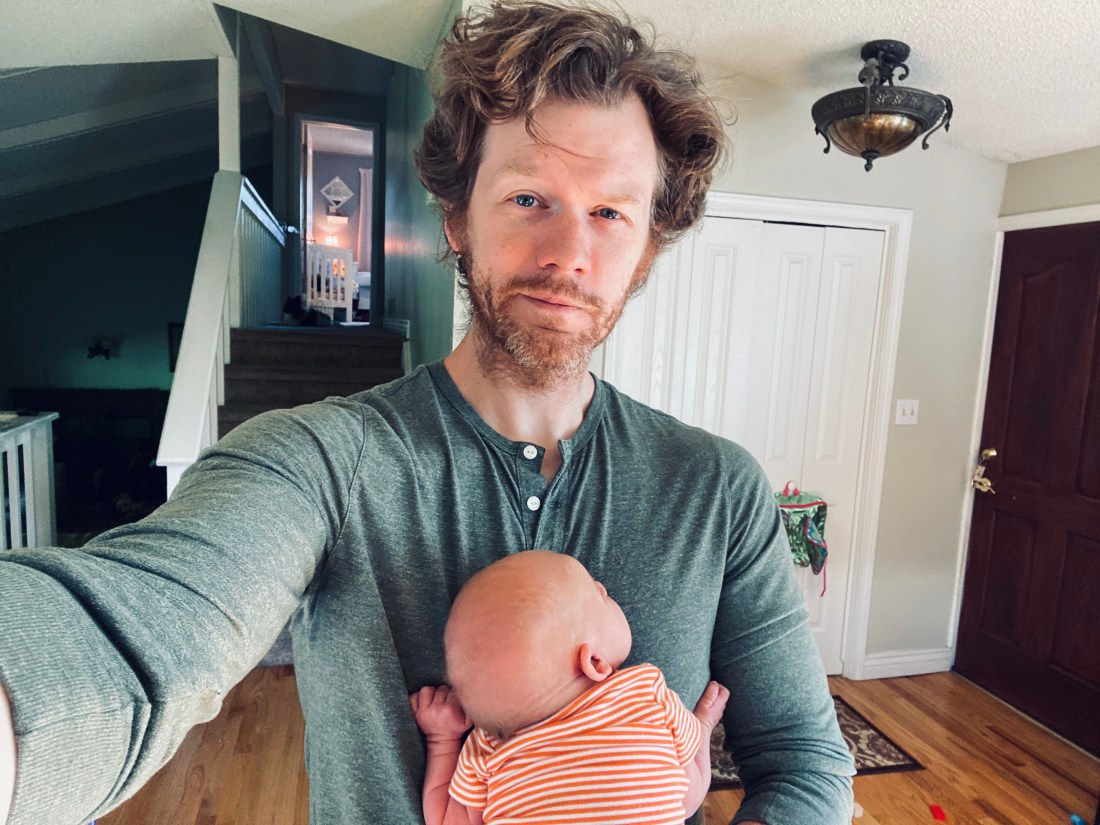
Fatherhood is a changing endeavor. Now with three kiddos, I at last embraced that I’m less in control of the routines. It is OK. Where I more often found comfort in control of the minutia, I had to reframe my autistic experience to find peace in the larger parts of the map.

“Sleep? This might not happen at this time, but it will happen at night.”

“Breakfast? Ugh, it’s late, but at least it’s happening.”

Even the good things are stressful. Can I confess a thing? I stopped all my blog work for the last four weeks and it vaporized my stress and magnified my peace of mind. 
How?
I enjoy creation, but the stress of delivering for and on a time was more impactful on my autistic psyche than I thought. In a way, this very blog is its own stressor.
Obligations are taxing, and I’m in a higher tax bracket than I thought. But now I know.
My autistic experience is comparatively easy. Since the murder of George Floyd, I’ve had a bit of a reckoning, a sobering one:
“What about the black autistic experience?” 
My perception changed for the better, where I realized more clearly that I still benefit from some privilege being a generic white dude, despite being patently autistic.
I don’t want to leave that change as is, and I’m more earnestly exploring ways to be a better ally, and a better one for people of color, especially on the neurodiverse spectrum. While I might suffer a bit from a bias that kicks in once people interact with me, I can’t imagine it kicking in as soon as people see or hear me.
And that needs to change.
The Life Autistic will change, too. It already has. There are plenty of topics yet to explore. Challenges to confront. Causes to support. Cadences to adjust.
But from here, perhaps it’s time to brace less and embrace more these beautiful changes, in such kind ways.